
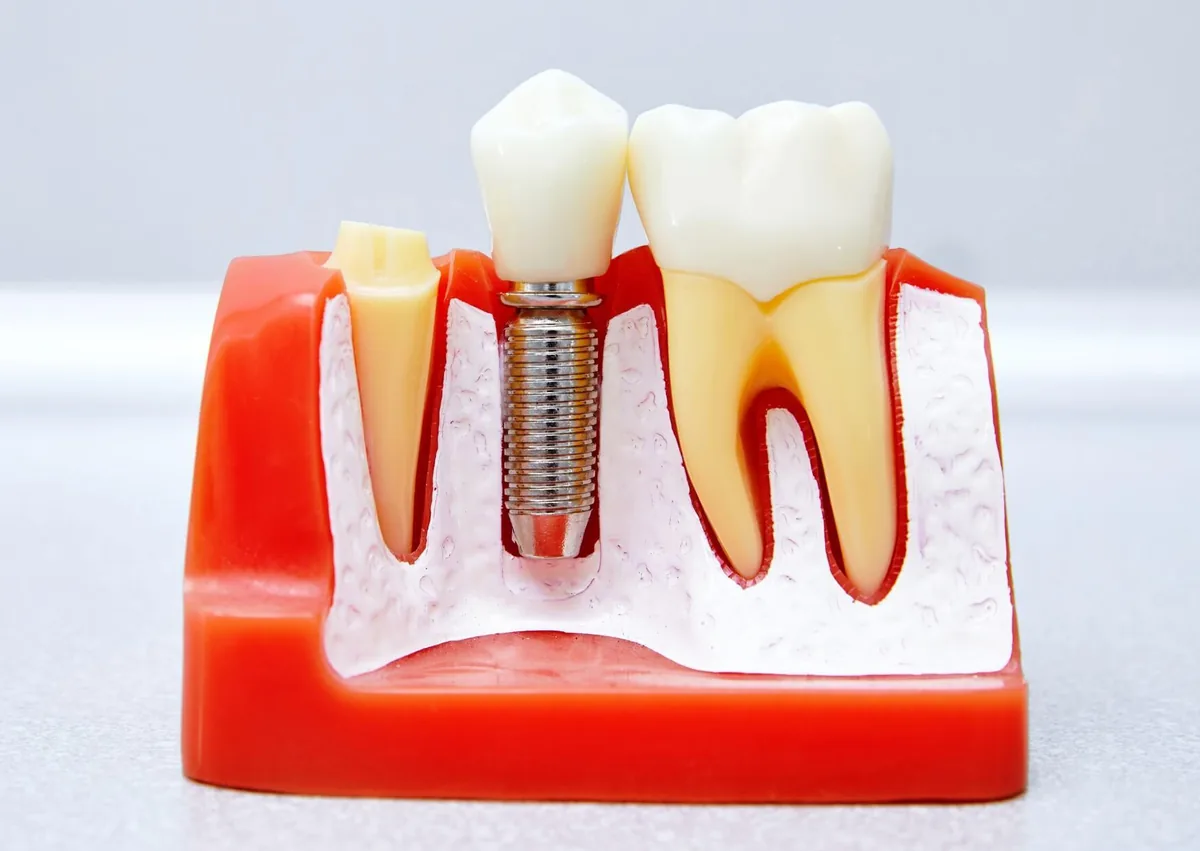
Affordable dental implants in Katy, TX usually mean choosing a treatment plan that fits your health needs, tooth loss pattern, and long-term goals while giving you a clear picture of the full cost. The most useful estimate includes the implant, abutment, final crown or bridge, imaging, and any needed preparatory care so you can compare realistic totals instead of a low starting price.
If you are weighing options for replacing missing teeth and want a long-term solution, dental implants can restore chewing and appearance with predictable outcomes. CR Smiles in Katy, TX focuses on comprehensive implant planning to match treatment to your health and budget so you can make an informed choice.
A dental implant is a small post, usually made of titanium, that replaces a tooth root. It can support a crown for one missing tooth or help secure a bridge or denture when several teeth are missing.
Costs vary because each treatment plan is different. The total may depend on how many teeth are missing, where they are located, bone volume, gum health, restoration materials, sedation needs, and whether extraction or grafting is required.
Affordable care should still include safe planning, durable materials, and appropriate follow-up. A very low quote may leave out important parts of treatment, so ask for an itemized estimate and clarify which cost components are included.
The lowest upfront fee is not always the best long-term value. A dentist should compare comfort, function, maintenance, repair needs, and expected longevity based on your oral health and goals.
|
Treatment Option |
Common Use |
Cost Considerations |
|---|---|---|
|
Single implant and crown |
One missing tooth |
Replaces one tooth without affecting neighboring teeth |
|
Implant-supported bridge |
Several adjacent missing teeth |
May replace multiple teeth with fewer implants |
|
Implant-retained removable denture |
Loose or unstable denture |
Often uses fewer implants and remains removable for cleaning |
|
Fixed full-arch implant teeth |
Most or all teeth in one arch |
Higher initial cost and more complex planning |
|
Traditional bridge or denture |
Missing teeth when implants are unsuitable or deferred |
Often costs less at first but may need more replacement or adjustment over time |
Replacing several teeth does not always require one implant per tooth. In the right case, an implant-supported bridge or denture may reduce the number of implants while still restoring chewing ability and appearance.
Many adults with missing or severely damaged teeth may qualify for implants. Good candidates often have healthy gums, enough bone for support, or the ability to receive grafting if needed.
Smoking or vaping, active gum disease, uncontrolled diabetes, certain medications, and a history of radiation treatment can affect healing or change the plan. These factors do not always rule out implants, but they may require a personalized risk review and coordination with dental specialties when appropriate.
A complete evaluation usually includes an exam and three-dimensional imaging. This helps the dentist assess bone anatomy, nearby nerves and sinuses, bite forces, and the space available for the final tooth.
Good ongoing periodontal maintenance also matters. Healthy gums and regular professional care support both candidacy and long-term implant success.
Treatment often starts by addressing infection or gum disease and removing any tooth that cannot be saved. In many cases, tooth extractions are completed before implant placement, which can affect timing and whether grafting is needed.
Bone grafting may be recommended if the jaw does not have enough width or height to support an implant safely. That step can add time and cost, but it may also make implant treatment possible and more predictable.
The implant is usually placed with local anesthetic. Sedation may also be available depending on the office, the procedure, and your health history.
You may feel pressure or vibration during placement, but sharp pain should not be expected during a properly anesthetized procedure. After surgery, mild soreness and swelling are common.
Healing often takes several months while the bone bonds to the implant, a process called osseointegration. Some patients can receive a temporary tooth sooner, but immediate loading is not right for every case and depends on implant stability and bite forces.
After healing, the abutment and final dental crowns or bridge or denture are attached. Severe pain, uncontrolled bleeding, fever, worsening facial swelling, trouble breathing or swallowing, or persistent numbness should be reported promptly, with emergency care for breathing or swallowing difficulty.
Follow the office's home care instructions carefully to support healing and recovery. Clear aftercare can help protect your comfort and your result.
Dental implants can provide stable chewing support and a natural-looking replacement for missing teeth. Results depend on bone health, hygiene, bite forces, restoration design, tobacco exposure, and regular professional care.
No implant can be guaranteed to last for life. However, good daily care and regular follow-up can support long-term success.
Consistent oral hygiene is essential. Implants cannot get cavities, but the surrounding gum and bone can still become inflamed or infected.
Daily brushing, cleaning between and under implant restorations, routine dental visits, and a nightguard when recommended can help protect the result. These habits also help reduce avoidable repair or maintenance costs over time.
Dental insurance may help cover parts of treatment, but benefits vary. Annual maximums, waiting periods, exclusions, and missing-tooth clauses can all affect coverage.
Ask for a written estimate that separates diagnostics, surgery, grafting, sedation, temporary teeth, final restorations, and maintenance. That makes it easier to compare options and understand the true total.
Some offices may offer phased treatment, financing, or third-party payment plans. Review interest rates, fees, repayment terms, and refund policies before choosing a payment option.
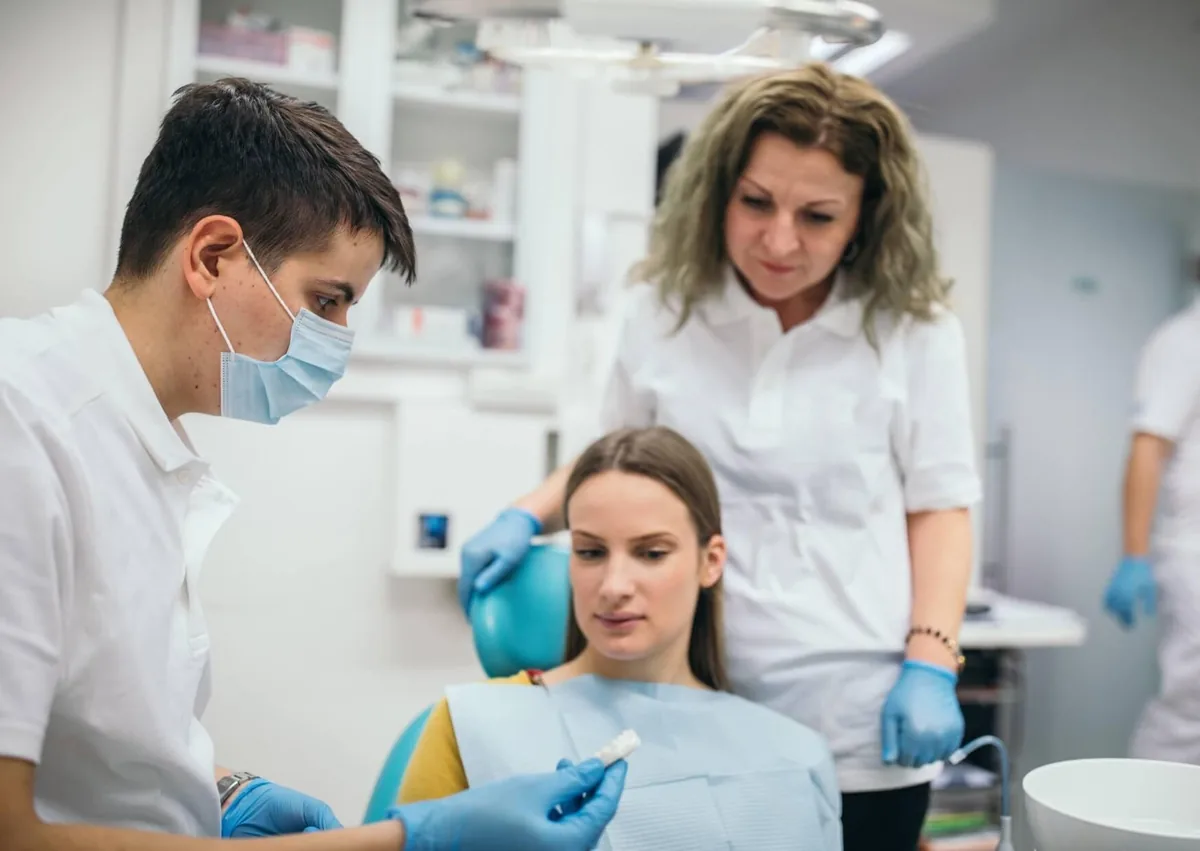
A good consultation should leave you with a clear diagnosis, suitable alternatives, expected timing, major risks, and a realistic cost range. Bringing recent dental records and a current medication list can help the dentist build a safe, practical plan.
To get a clear diagnosis and a complete, itemized implant estimate specific to your situation, arrange a consultation for dental implants so treatment needs and costs are fully explained. Call CR Smiles for dental implants in Katy, TX and nearby Cinco Ranch and Fulshear at (281) 394-9600 to schedule your visit.
There is no single accurate fee because the total may include imaging, extraction, grafting, implant placement, an abutment, and a crown. An exam and itemized estimate are needed to determine the likely cost for your situation.
They may be safe when treatment includes proper evaluation, appropriate materials, sterile technique, qualified care, and follow-up. Confirm whether the quoted fee includes all surgical and restorative components rather than relying on an advertised starting price.
Some plans cover part of the implant surgery or final restoration, while others classify implants as elective or apply waiting periods and annual limits. The dental office can often submit a pre-treatment estimate, but that is not a guarantee of payment.
Implants and temporary teeth can sometimes be placed on the same day. The final restoration usually comes after healing, and immediate treatment depends on bone quality, implant stability, infection status, and bite forces.
Bone grafting may create enough support in some cases. Other options may include a different implant design, an implant-supported removable prosthesis, a traditional bridge, or a denture, depending on the clinical findings.