
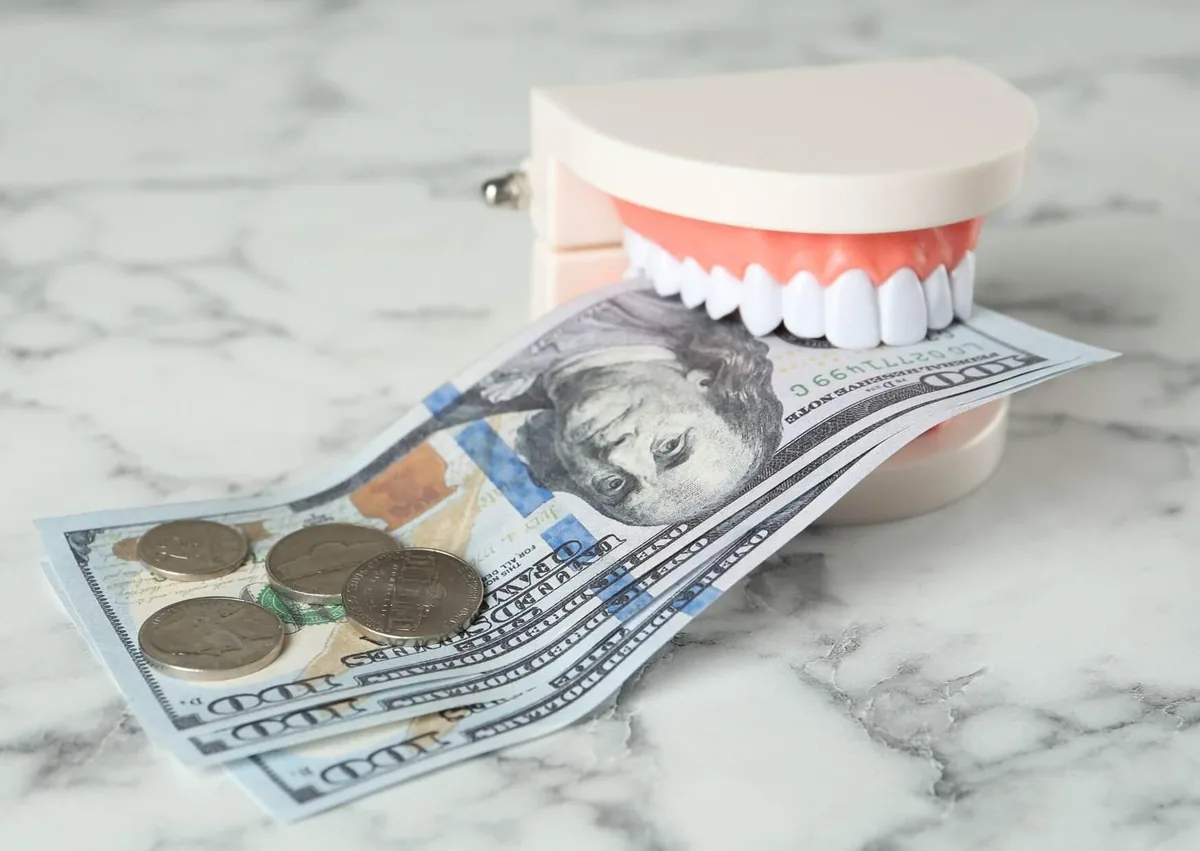
Teeth bonding usually costs about $300 to $600 per tooth in the United States. The final fee can be lower or higher depending on the tooth, the amount of repair needed, and your location. Insurance may help when bonding restores a tooth damaged by decay or injury. It usually does not cover bonding done only to improve appearance.
If you’re weighing options to repair chips, close small gaps, or improve a tooth’s shape, dental bonding can be a conservative way to reach your aesthetic goal. At CR Smiles in Katy, TX, we focus on personalized, minimally invasive cosmetic treatments that can restore appearance quickly and preserve more natural tooth structure.
Dental bonding uses tooth-colored composite resin to repair or reshape a tooth. It is often used for small chips, narrow gaps, minor shape changes, worn edges, or localized discoloration.
The total cost depends heavily on how many teeth need treatment. Bonding one chipped tooth may cost a few hundred dollars, while improving several front teeth can raise the total into the thousands.
A dentist should examine the tooth before giving a firm quote. A larger fracture, hidden decay, bite issue, or nerve problem may require more than cosmetic bonding alone.
The price usually reflects the amount of resin needed, the complexity of the shape, and the time required to match and polish the restoration. Fees also vary by region and by the dentist’s experience with cosmetic and restorative work.
Pre-treatment needs can increase the total cost. An exam, X-rays, cleaning, cavity treatment, or replacement of an older filling may be needed before bonding can be done safely.
Ask whether the estimate includes the exam, imaging, the bonding procedure, bite adjustments, and any follow-up. That gives you a more accurate comparison than looking only at a per-tooth fee, and typical costs often fall in this same general range even though local fees and treatment details vary.
Bonding is often one of the more affordable cosmetic treatments. It also usually requires little or no removal of healthy enamel.
Still, composite resin is not the best fit for every case. It can stain, chip, or wear faster than porcelain, especially if you grind your teeth or bite hard objects.
|
Treatment |
Common Use |
Typical Considerations |
|---|---|---|
|
Composite bonding |
Small chips, gaps, shape changes, localized discoloration |
Often completed in one visit; may stain or chip over time |
|
Porcelain veneer |
Broader changes to color, shape, or symmetry |
Higher cost; usually requires enamel preparation and laboratory work |
|
Crown |
Heavily damaged, weakened, or extensively restored tooth |
Covers the tooth for strength; removes more tooth structure |
|
Orthodontic treatment |
Crowding, spacing, or bite-related concerns |
Moves teeth rather than masking position; takes longer |
Whitening may be a better choice for overall staining. If spacing or alignment is the main problem, orthodontic treatment may be safer and more predictable than adding material to the teeth.
For some patients, porcelain veneers provide greater stain resistance and durability, but they are usually more invasive and more expensive. When tooth position is the main issue, clear braces may be a better long-term solution.
Bonding often works best when the teeth and gums are healthy and the desired change is modest. It is commonly a good option for small cosmetic improvements rather than major rebuilding.
It may not be the right choice for a tooth with a large missing area, deep decay, a major crack, severe discoloration, or heavy bite pressure. In those cases, another treatment may last longer or protect the tooth better.
Habits such as nail biting, chewing ice, opening packages with your teeth, or nighttime grinding can shorten the life of bonded resin. Your dentist may recommend reducing those risks or wearing a nightguard.
Pain, swelling, fever, drainage, increasing sensitivity, or a loose tooth needs prompt dental evaluation rather than cosmetic treatment alone. Severe swelling that affects breathing or swallowing is a medical emergency.
The dentist first selects a shade that matches your natural tooth. The surface is then lightly prepared, conditioned, and built up with composite resin.
A curing light hardens the material. After that, the dentist shapes, smooths, and polishes the tooth so it looks natural and feels comfortable in your bite.
Bonding often takes about 30 to 60 minutes per tooth. Many cases do not require numbing, especially when the work stays on the enamel, though anesthetic may be used if decay is treated or the tooth is sensitive.
Results are visible right away. The tooth should look natural and feel smooth, though a small bite adjustment is sometimes needed after treatment.
Teeth bonding can last several years, but there is no single fixed lifespan. How long it lasts depends on the tooth location, bite pressure, oral hygiene, diet, habits, and the size of the repair.
Brush with fluoride toothpaste, clean between your teeth daily, and keep regular dental visits. Avoid biting ice, pens, fingernails, and other hard objects with bonded teeth.
Composite resin does not whiten the way natural enamel does. If you are considering teeth whitening, talk with your dentist first so the bonded material can be matched to your planned tooth shade.
Coffee, tea, red wine, and tobacco can stain bonding over time. If the surface becomes dull or stained, polishing or replacement may be recommended.
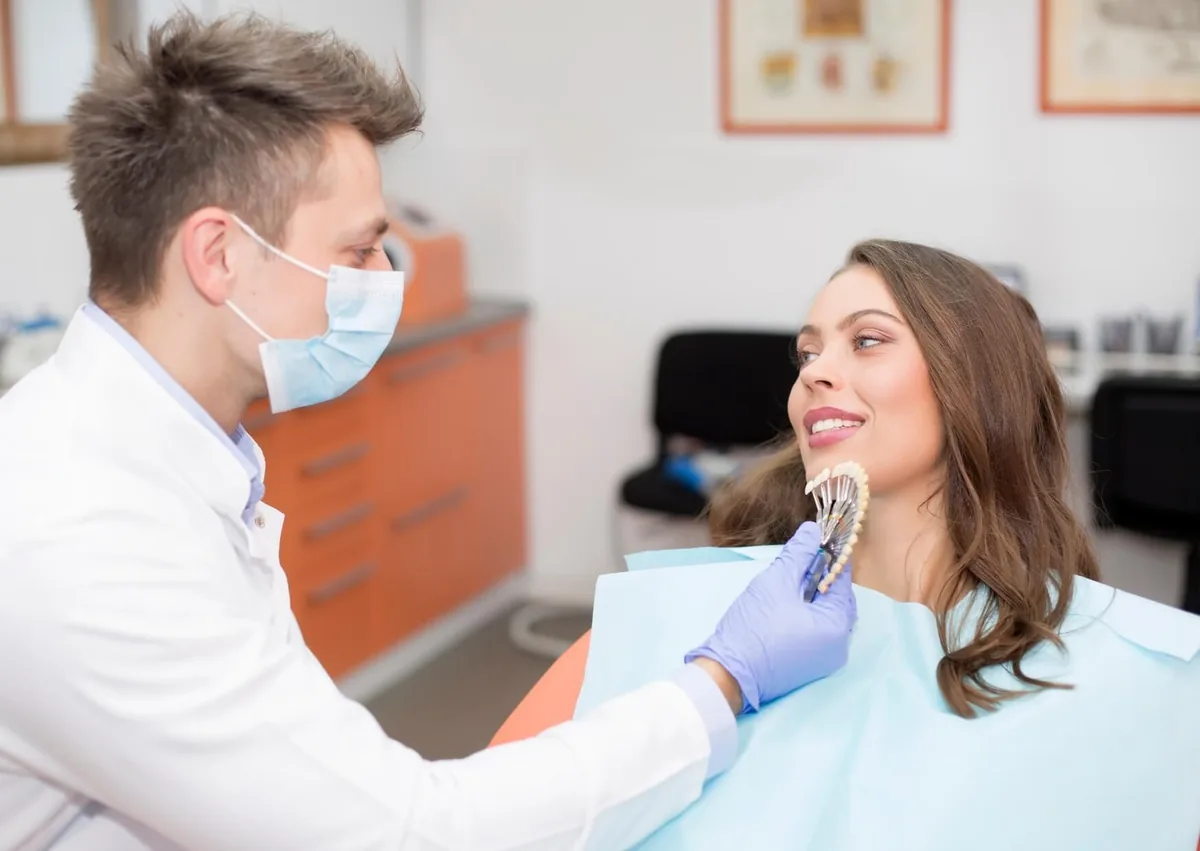
A consultation is the best way to learn whether bonding can meet your goals and what the full cost will be. Your dentist can check the enamel, gums, bite, and amount of tooth structure involved before recommending treatment.
If you have insurance, ask for a written treatment plan with procedure codes. Then confirm with your insurer whether the bonding is considered restorative or cosmetic.
A good consultation should leave you with a clear explanation of the recommended treatment, reasonable alternatives, expected maintenance, and an itemized estimate. That makes it easier to choose an option that supports both your appearance and long-term dental health.
For a clear, personalized cost estimate and to confirm whether bonding is the best option for your situation, arrange a consultation. CR Smiles in Katy, TX specializes in dental bonding and complementary cosmetic care for patients from Cinco Ranch and Fulshear, call (281) 394-9600 to get started.
Insurance may help when bonding is needed to restore a decayed, fractured, or damaged tooth. Purely cosmetic bonding is often excluded, and deductibles, annual limits, waiting periods, and plan rules may apply.
Yes, composite bonding is usually less expensive per tooth than porcelain veneers. It may also require less enamel removal, though veneers often resist stains better and may last longer in the right cases.
Bonding that stays on the enamel is usually comfortable and often does not require anesthetic. Some sensitivity can happen if the tooth has decay, a fracture, exposed dentin, or another underlying problem.
Bonding can close some small gaps by adding resin to the neighboring teeth. Larger spaces or gaps caused by tooth position, gum disease, or bite issues may need orthodontic or other treatment.
In many cases, chipped composite can be smoothed, repaired, or replaced without redoing the entire restoration. A dentist should still examine a new chip to make sure the natural tooth underneath is intact.