
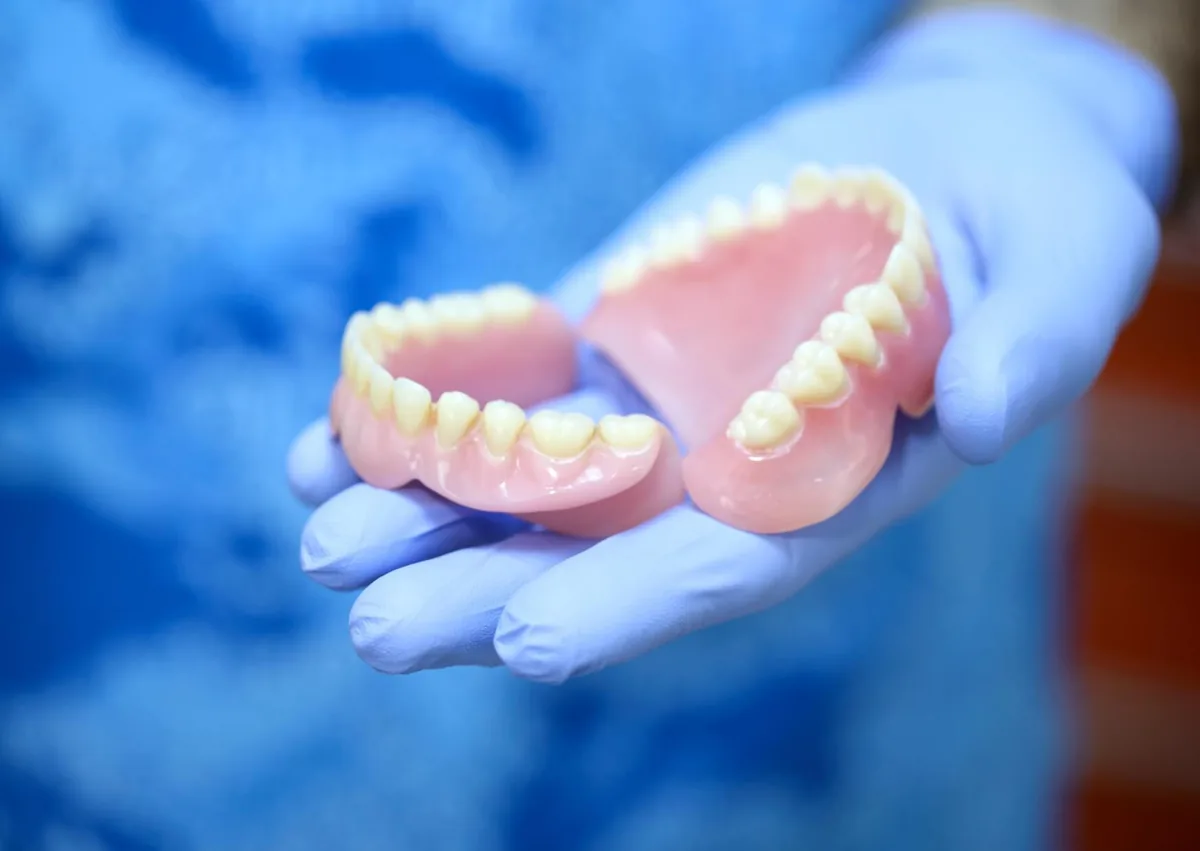
If missing or damaged teeth make eating uncomfortable or leave you hesitant to smile, preparing for dentures starts with a dental exam and a clear treatment plan. Ask which teeth can be saved, whether extractions are necessary, and what you will wear during healing. Then confirm costs, arrange any needed help, and prepare soft foods and cleaning supplies.
If missing teeth make eating or smiling uncomfortable, exploring denture options can help you understand what treatment may involve. At CR Smiles in Katy, TX, you can discuss your needs and prepare for each stage with a clearer plan.
Key Takeaway: Your preparation depends on the denture you choose and whether you need extractions or implants. Before treatment begins, ask your dentist to explain the stages, any time without teeth, and the follow-up care included in your estimate.
Table of Contents
A dentist will examine your teeth, gums, bite, and the tissues that will support the denture, using imaging when needed. Gum disease, decay, dry mouth, and the condition of your jawbone can affect your treatment options and denture fit.
Getting dentures does not always mean removing all remaining teeth. Ask which teeth have a reasonable long-term outlook, whether tooth extractions are necessary, and how preserving teeth could affect your options, maintenance needs, and costs.
Bring these items to your consultation:
Tell the dentist about tobacco use, diabetes, dry mouth, a sensitive gag reflex, or difficulty using your hands. These details can influence healing, denture design, and how manageable daily cleaning will be.
Your options depend on how many teeth are missing, the health of remaining teeth, available bone, and your preferences. Surgery, maintenance, budget, and whether you want a removable appliance also matter.
|
Option |
When It May Be Considered |
Main Preparation Issue |
|---|---|---|
|
Removable partial denture |
Some suitable natural teeth remain |
Remaining teeth and gums need evaluation and any necessary treatment |
|
Conventional complete denture |
All teeth in an arch are missing or require removal |
Placement follows sufficient healing, so discuss what you will use for eating and appearance in the meantime |
|
Immediate denture |
A denture is placed when teeth are removed |
Measurements are taken beforehand, and fit changes during healing require follow-up |
|
Implant-retained removable denture |
Implants help stabilize a removable denture |
Requires assessment for surgery, bone support, and ongoing implant care |
An immediate denture may help you avoid being without teeth immediately after extractions, but it does not eliminate the healing period. As gums and bone change, it may need adjustments, relining to reshape the inner surface, or eventual replacement.
Implant-retained dentures may improve stability for suitable patients, but they involve surgery and additional costs and maintenance. If you want teeth that stay in place rather than a removable appliance, ask whether a fixed implant-supported restoration is appropriate and how its cleaning requirements differ.
Once you and your dentist agree on a treatment plan, use this checklist to organize the practical details.
Pro Tip: Bring 3 written questions to your planning visit: “Will I have any time without teeth?” “Which follow-up services are included?” and “Who should I contact if the denture hurts or will not fit?” Keep the answers with your treatment estimate.
If teeth need removal, ask for written home instructions covering eating, mouth care, pain control, and when to wear or remove the denture. If sedation or anesthesia is planned, follow the team's fasting and transportation instructions rather than assuming the same rules apply to every appointment.
An immediate denture may have a different initial wearing schedule from a denture fitted after healing. Follow your dentist's instructions rather than removing it or leaving it in based on general advice.
Pressure, increased saliva, and changes in speech can occur as you adjust to a new denture. Persistent pain, open sores, or repeated shifting of the appliance should be assessed by your dentist rather than simply tolerated.
Watch Out: Avoid 2 common mistakes: adjusting the denture yourself and using extra adhesive to compensate for a painful or loose fit. Either can delay appropriate care, and home adjustments may damage the appliance.
After an extraction, contact the treating dentist promptly for worsening pain, fever, increasing swelling, or bleeding that does not settle after following the instructions you were given. Difficulty breathing or swallowing, or rapidly spreading facial or neck swelling, requires emergency medical care.
Dentures replace teeth, but removable dentures do not feel or function exactly like natural teeth. Stability varies with anatomy, saliva, denture design, and healing. A lower complete denture can be more challenging to keep stable because the tongue and nearby muscles can move it.
When your dentist clears you to eat, begin with manageable soft foods, take small bites, and chew on both sides to help balance the denture. Progress according to comfort and any surgical restrictions rather than a fixed schedule.
Practicing reading aloud can help you adapt to speech changes. If clicking, slipping, or difficulty speaking persists, have the fit and bite checked.
Clean the denture daily with products recommended for its materials, and avoid hot water, which can distort it. Clean your gums, tongue, and any remaining teeth. Dentures are generally removed during sleep unless your dentist gives different instructions during early healing.
Keep follow-up appointments even if you no longer have natural teeth. Your dentist still needs to assess your mouth tissues, fit, bite, and any remaining teeth or implants. Changes in your jaw and gums may make future adjustments or replacement necessary.

Before committing, make sure you understand the proposed denture, alternatives, expected limitations, and costs that may arise as healing changes the fit. Ask for clarification if the sequence is unclear or the plan does not address eating, appearance, or your medical needs.
You do not need to have every decision settled before your first visit. Bring your priorities and concerns so your dentist can help you build a preparation plan that fits your health, daily routine, and budget.
A consultation can help you understand your choices and prepare for denture treatment with confidence. For denture options at CR Smiles in Katy, TX, convenient to Cinco Ranch and Fulshear, call (281) 394-9600.
Not always. An immediate denture may be placed when teeth are removed, while a conventional denture is fitted after sufficient healing. Ask which approach is suitable and what you will use during any waiting period.
Ask your dentist first, especially if extractions are planned. Adhesive is not a substitute for correcting a poor fit, and your dentist can explain whether and when it is appropriate.
Adjustment varies with the denture type, your mouth, and whether you are healing from surgery. Ask for an individualized follow-up plan, and report persistent soreness or instability rather than assuming you must get used to it.
Dentures are generally removed during sleep to give the tissues a rest. Your dentist may give different instructions immediately after extractions, so follow the schedule provided for your stage of treatment.