
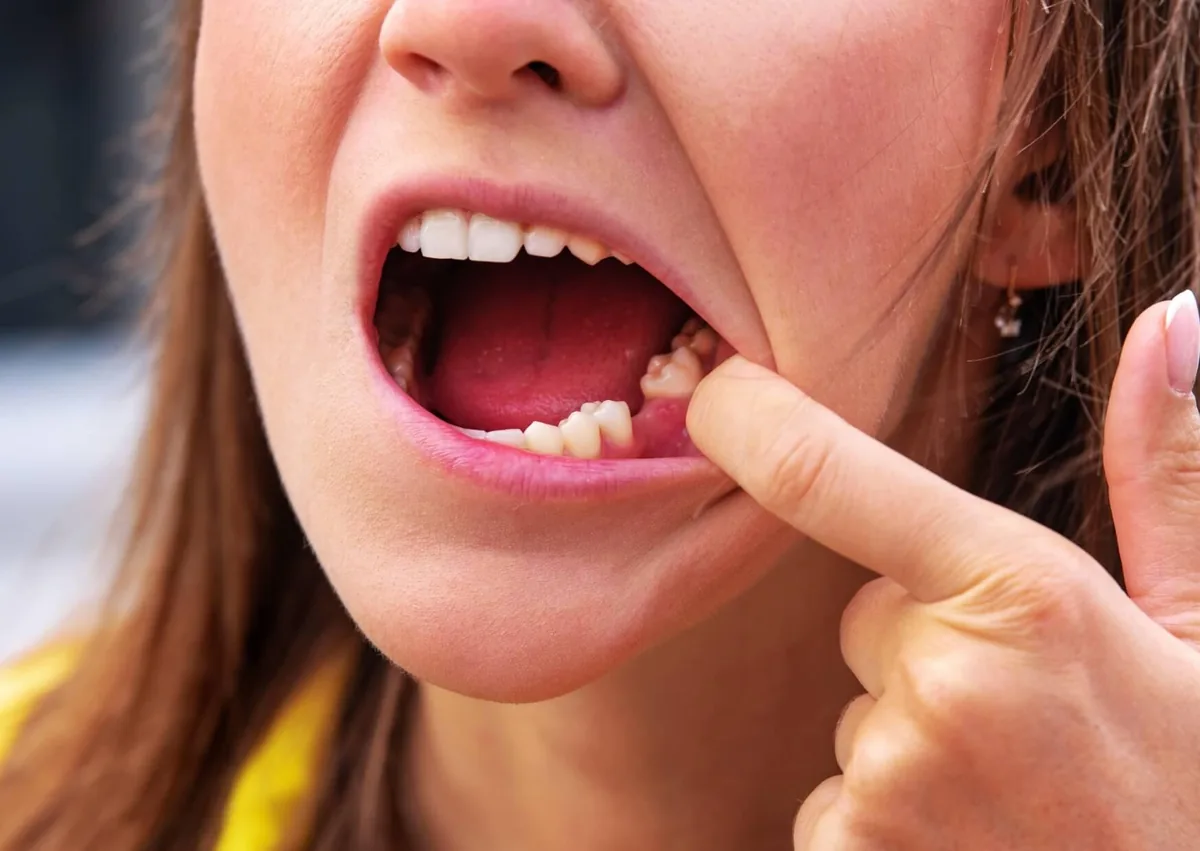
A normal socket after tooth extraction usually looks dark red at first because of the blood clot, then white, cream, or pale yellow as healing tissue forms. A small hole, mild swelling, and soreness are common early on, but pain should gradually improve, not intensify.
If your post-extraction pain, heavy bleeding, or signs of infection are worrying you, prompt evaluation by emergency dentistry can help determine whether you need immediate treatment. CR Smiles in Katy, TX offers compassionate urgent dental care to evaluate symptoms and protect your healing smile.
The socket is the space in the jawbone where the tooth was removed. In the first 24 hours, it usually appears dark red or maroon because a protective blood clot has formed.
As healing continues, the surface may look white, cream, light yellow, or grayish. This is often normal healing tissue, including fibrin and granulation tissue, not necessarily infection.
The socket may still look like a hole even after the area feels better. Gum tissue usually closes over the opening within a few weeks, while the bone underneath continues to fill in for months, which is consistent with typical healing after extraction.
Healing speed depends on the tooth removed, the difficulty of the extraction, smoking or vaping, medical conditions, and how well aftercare instructions are followed. For background on the procedure itself and what to expect during recovery, see tooth extractions.
|
Time After Extraction |
Common Normal Findings |
Reasons to Contact a Dentist |
|---|---|---|
|
First 24 hours |
Blood clot, mild oozing, soreness, early swelling |
Bleeding that stays heavy or does not slow with firm gauze pressure |
|
Days 2 to 3 |
Swelling may peak, bruising may appear, pain should still be manageable |
Rapidly increasing swelling, fever, trouble swallowing, or trouble breathing |
|
Days 3 to 7 |
White or cream healing tissue, less soreness, socket still visible |
New or worsening throbbing pain, bad taste, foul odor, or visible bone |
|
Weeks 1 to 3 |
Gum edges begin closing, tenderness continues to ease |
Ongoing drainage, swelling, pain, or little sign of improvement |
|
Following months |
Bone gradually remodels under the gum |
Symptoms that persist or an area that does not seem to heal |
These are general healing patterns, not a way to diagnose the socket by appearance alone. If symptoms seem unusual or recovery stalls, a dentist may need to examine the area and sometimes take an X-ray.
Dry socket happens when the blood clot is lost too early or breaks down before the site is stable. It often causes significant pain that starts or gets worse a few days after the extraction, sometimes spreading to the ear, temple, or jaw.
The socket may look empty, and exposed bone may be visible. A bad taste or bad breath can also happen, but color by itself is not a reliable sign because healthy healing tissue can also look pale or yellow.
Infection is more likely to cause worsening swelling, pus-like drainage, fever, increasing redness, or pain that does not improve. For preventing infection, see infection control.
Dry socket and infection are not the same problem. A dental exam is the best way to tell which issue is present and what treatment is needed.
Follow the instructions from the dentist or oral surgeon who removed the tooth, including home instructions. During early healing, avoid forceful rinsing, spitting, straws, smoking, vaping, and touching the area because these can disturb the clot.
These common post-operative instructions are also widely recommended after an extraction. Soft foods and chewing on the opposite side can make the first several days easier.
Once your dentist says it is safe, gentle rinsing and careful brushing around the site help keep the mouth clean. Do not place aspirin, peroxide, alcohol, essential oils, or other home remedies into the socket because they can irritate healing tissue.
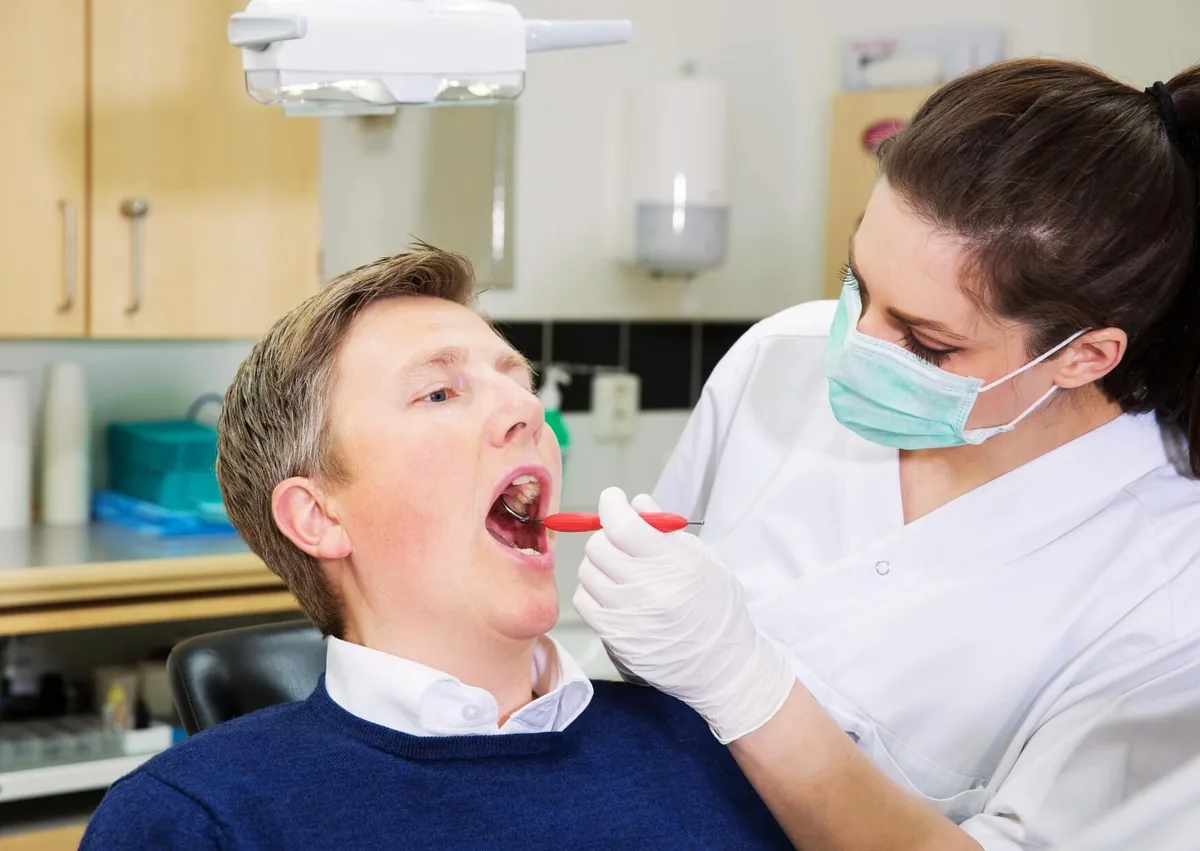
Call the dental office if pain gets worse after starting to improve, bleeding is hard to control, swelling keeps increasing, or you notice fever, drainage, a persistent foul taste, or concern that something is stuck in the socket. For severe or rapidly worsening signs, seek emergency dentistry.
A dentist can check whether the area is healing normally and treat dry socket, infection, retained debris, or another problem. Prompt care can also help relieve pain and protect the healing site.
Seek urgent medical care for difficulty breathing or swallowing, rapidly spreading facial or neck swelling, uncontrolled bleeding, confusion, or other severe symptoms. Those signs are not part of routine extraction healing.
A follow-up visit is reasonable if the socket's appearance is unclear or healing does not seem to be progressing. Personalized guidance is especially important after a difficult extraction or for people with diabetes, immune suppression, bleeding disorders, or medicines that affect clotting or bone healing.
For worsening pain, heavy bleeding, or suspected dry socket, the appropriate next step is rapid clinical assessment to control symptoms and prevent complications. CR Smiles offers emergency dentistry in Katy, TX and serves patients from Cinco Ranch and Fulshear; call (281) 394-9600 to arrange urgent care.
Often, yes. White or cream-colored material may be fibrin or granulation tissue, which are normal parts of healing, but worsening pain, swelling, fever, drainage, or a foul taste should be checked by a dentist.
Yes. The opening may remain visible for several weeks while the gum closes from the edges and deeper tissue fills in, especially after a molar or wisdom tooth extraction.
Pain often starts easing within the first few days, although surgical extractions can stay tender longer. Pain that becomes severe or worsens after initial improvement should prompt a call to the dental office.
Yes, small food particles can collect near an open socket. Follow your dentist's cleaning instructions and avoid digging into the area with fingers, toothpicks, or other objects.
The gum may take a few weeks or longer to cover the opening, depending on the tooth and the complexity of the extraction. Bone healing under the surface continues for several months.