
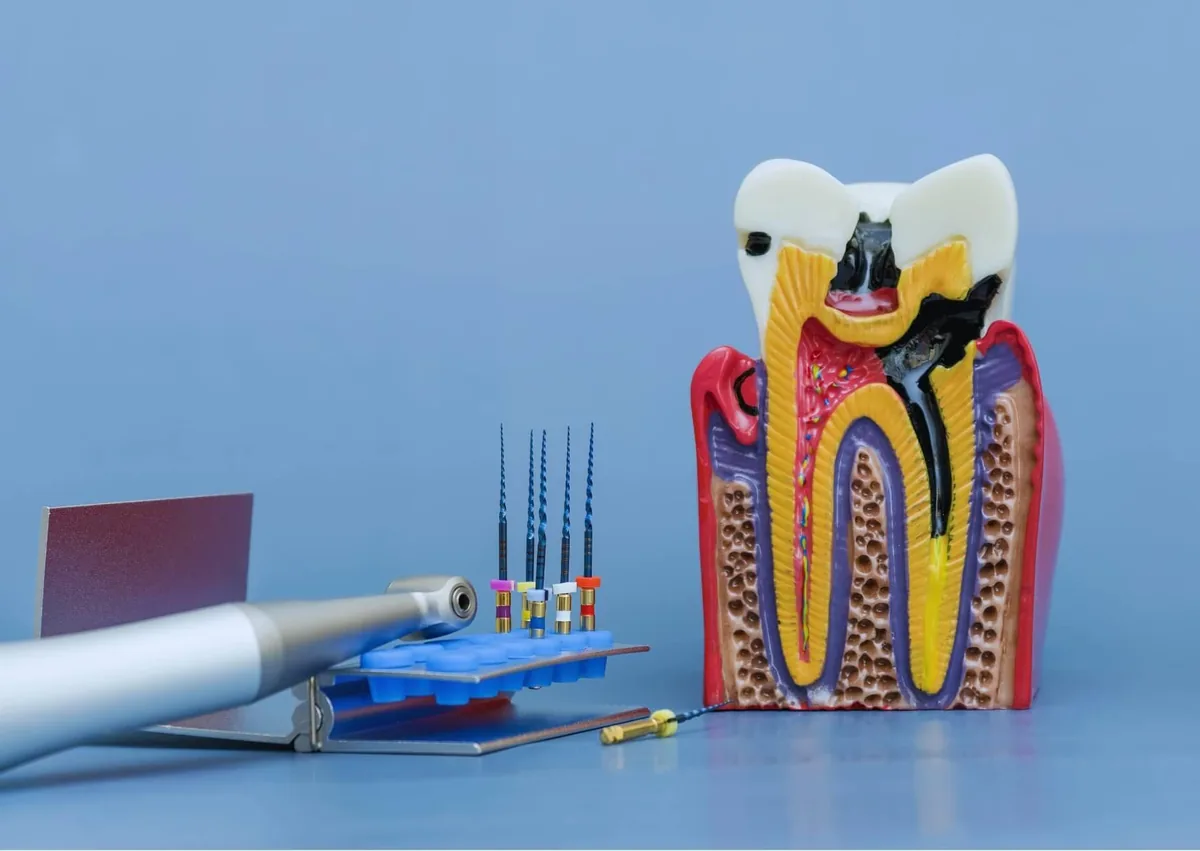
Root canal cost in the United States often ranges from about $700 to $1,600 per tooth before insurance. The exact fee depends on which tooth needs treatment, how complex the case is, where you live, and whether a general dentist or specialist provides care.
A painful or infected tooth can make it hard to eat, sleep, or focus, and root canal therapy may be the step that helps save it. At CR Smiles in Katy, TX, this treatment is used to relieve infection, protect natural tooth structure, and support comfortable everyday function.
Front teeth usually cost less to treat because they often have one canal. Premolars may have one or two canals, while molars often have three or more, which can make treatment more time-intensive.
Fees may also be higher when an endodontist performs the procedure. Specialist care is often recommended for curved canals, difficult anatomy, retreatment, dental trauma, or infections that have not healed as expected.
Other charges may include the exam, X-rays or 3D imaging, emergency care, sedation, a temporary filling, and the permanent restoration. Ask for a written estimate that separates the root canal from the buildup, filling, or crown.
Dental insurance may classify root canal treatment as a basic or major restorative service and pay a percentage after the deductible. Typical root canal cost and coverage details can vary by provider, plan, and region.
Your out-of-pocket cost depends on annual maximums, waiting periods, network rules, and whether the tooth is considered restorable. A pretreatment estimate can help, but it is not a guarantee of payment.
It is often more useful to ask what you will personally owe than to focus only on the listed fee. Also confirm whether the final restoration is billed separately.
If you do not have insurance, you may be able to use an office payment plan, third-party financing, a dental savings plan, or care through a dental school. Review interest, fees, and treatment timelines before choosing an option.
Root canal therapy treats inflamed or infected pulp, the soft tissue inside the tooth that contains nerves and blood vessels. Deep decay, a crack, repeated dental work, or trauma can damage this tissue and lead to lingering sensitivity, pain when biting, discoloration, or swelling.
Not every toothache needs a root canal, and not every tooth can be predictably saved. A dentist will evaluate your symptoms, X-rays, remaining tooth structure, gum and bone support, and whether the tooth can be restored well afterward.
The main alternative is often a tooth extraction, followed by no replacement or replacement with an implant, bridge, or removable appliance. Extraction may cost less at first, but replacement can add significant time and expense, so compare the total long-term treatment cost rather than one fee alone.
You can also review our dental treatments page for a broader look at available options. That can help you understand how root canal treatment fits into a larger care plan.
The dentist or endodontist numbs the area and isolates the tooth with a dental dam to keep it clean and dry. The damaged pulp is removed, the canals are cleaned and shaped, and the space is sealed before the opening is closed with a temporary or permanent restoration.
Many root canals are completed in one or two visits. Most patients feel pressure or vibration during treatment rather than sharp pain, and additional anesthesia can be used if needed.
It is common to have mild tenderness for a few days afterward, especially if the tooth was painful before treatment. Follow aftercare instructions closely and avoid chewing hard foods on a tooth with a temporary restoration.
Root canal treatment removes infection from inside the tooth, but it does not protect a weakened tooth from breaking. Back teeth often need crowns, while some front teeth may be restored with a bonded filling if enough healthy structure remains.
A core buildup, and sometimes a post, may be needed to support the final restoration. A post is not necessary for every tooth and should be used only when clinically appropriate.
Delaying the final restoration can increase the risk of leakage or fracture. Before treatment begins, ask when the permanent restoration should be placed and whether that cost is included in your estimate.

Contact a dentist promptly if you have persistent tooth pain, pain that wakes you up, swelling, a pimple-like bump on the gum, or a broken tooth. These symptoms can point to infection or structural damage that should be evaluated soon.
Seek urgent medical or dental care for rapidly increasing facial swelling, fever with dental swelling, difficulty breathing or swallowing, swelling near the eye, or severe worsening symptoms. Those signs may require immediate attention.
A timely exam can show whether you need a root canal, a different restoration, or removal of the tooth. It should also give you a personalized cost estimate, expected number of visits, and a clear plan for the final restoration.
A consultation can show whether non-surgical root canal treatment or another option is the best way to save your tooth and clarify the full expected cost. Call CR Smiles for non-surgical root canal care in Katy, TX and nearby Fulshear or Houston at (281) 394-9600 to discuss your treatment and schedule next steps.
Usually not. The root canal, buildup, and crown are often billed separately, although billing practices vary.
Molars usually have more canals and can be harder to reach, clean, and seal. Their complexity may require more time, imaging, or specialist care.
Sometimes pain decreases after the pulp dies, even though infection remains. Arrange an evaluation if the pain was severe, persistent, linked to swelling, or otherwise unexplained.
Tooth extraction often has a lower upfront fee, but replacing the missing tooth can raise the total cost. The better choice depends on whether the tooth can be predictably restored, your oral health, and your long-term goals.
A well-treated and properly restored tooth can function for many years, and sometimes for a lifetime. Longevity depends on the condition of the tooth, the quality of the restoration, oral hygiene, bite forces, and regular dental care.