
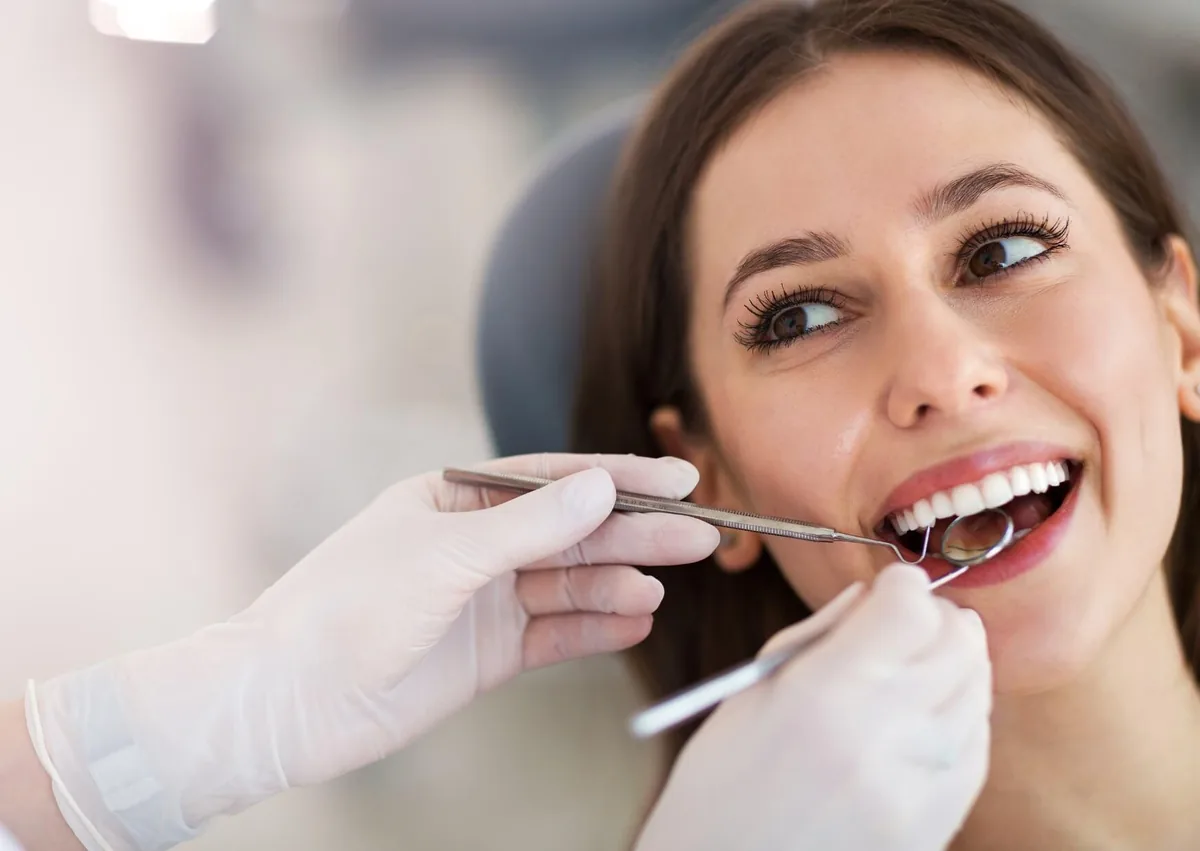
A smile makeover is a customized plan that combines cosmetic and restorative dental care to improve how your smile looks while supporting comfort, function, and oral health. Depending on your goals, it may include cosmetic treatments such as whitening, bonding, veneers, orthodontics, or gum contouring, and it may also include crowns or replacement of missing teeth when needed.
If you want to improve tooth color, shape, or minor alignment concerns in a more complete way, porcelain veneers can address several issues at once with a polished, natural-looking result. CR Smiles in Katy, TX creates personalized veneer-focused smile makeover plans that balance appearance, tooth preservation, and long-term function.
A smile makeover can help with stained, chipped, worn, uneven, crowded, or widely spaced teeth. It may also improve differences in tooth shape or size, a gummy smile, older visible dental work, and gaps caused by missing teeth.
The right plan is not based on appearance alone. Your dentist also looks at your bite, enamel thickness, gum health, facial proportions, existing restorations, and habits such as grinding or clenching.
Some smile makeovers are mainly cosmetic, while others also improve function. For example, dental crowns can strengthen a damaged tooth while improving its appearance, and dental implants can replace a missing tooth with a stable, natural-looking restoration.
Professional teeth whitening can brighten many surface and age-related stains. Only natural teeth respond to whitening, so crowns, veneers, bonding, and fillings will not change color.
Dental bonding uses tooth-colored resin to repair small chips, close minor gaps, or refine tooth contours. Porcelain veneers cover the front of the teeth and can make broader changes to color, shape, and visible alignment, but they usually involve permanent removal of a small amount of enamel.
Crowns cover more of the tooth than veneers and are usually chosen when a tooth also needs structural support. Clear aligners or braces may be the better option when moving teeth creates a healthier and more stable result than covering misalignment.
Gum contouring can improve an uneven gumline in the right patient. Missing teeth may be replaced with an implant, bridge, or removable prosthesis based on bone support, oral health, cost, and personal preference.
Good candidates usually have realistic expectations and are committed to daily oral hygiene and regular dental visits. Healthy teeth and gums come first, so cavities, gum disease, infections, or failing dental work often need treatment before cosmetic care begins.
People with significant enamel wear, bite problems, or grinding habits may need protective or corrective treatment first. In some cases, a nightguard may help protect restorations after your dentist confirms it is appropriate.
Smoking or vaping, dry mouth, uncontrolled medical conditions, and some medications can affect healing and long-term results. A full health history helps your dentist recommend the safest and most predictable options.

Planning starts with a conversation about what you want to change and what you want to keep. Your exam may include photos, digital scans or impressions, X-rays when needed, a bite evaluation, and a close look at your teeth and gums.
Your dentist may use photos, digital previews, or a mock-up to show possible changes in shape and proportion. These tools are helpful for planning, but they do not guarantee an exact outcome because materials, gum response, and healing can vary.
A written treatment plan should explain the order of care, expected maintenance, alternatives, costs, and which steps are reversible or permanent. If the plan is complex or irreversible, getting a second opinion can be a reasonable part of informed decision-making.
Treatment time depends on the procedures involved. Whitening or bonding may take one visit, while orthodontics, implants, or gum healing can extend treatment over several months.
Many smile makeovers are completed in stages. This approach lets your dentist protect oral health, check function, and refine the final appearance as treatment progresses.
Whitening can cause temporary sensitivity, while bonding often needs little or no numbing. Veneers, crowns, implants, and gum procedures may involve local anesthesia, temporary restorations, and a short healing or adjustment period.
Your dental team should explain what to expect before treatment begins. Contact a dentist promptly for worsening pain, swelling, fever, uncontrolled bleeding, pus, or a loose restoration, and seek urgent medical care for trouble breathing or swallowing.
A well-planned smile makeover should look balanced, feel comfortable, and support normal speaking and chewing. Results depend on your starting condition, the materials used, bite forces, oral hygiene, and daily habits.
No restoration lasts forever. Whitening may need touch-ups, bonding can stain or chip, and veneers, crowns, and implants may eventually need repair or replacement even when they last for many years.
Brush with fluoride toothpaste, clean between your teeth every day, and keep regular checkups. Avoid using your teeth to open packages or bite hard objects, and follow any instructions about retainers or nightguards if they are part of your plan.
A consultation can help you decide whether porcelain veneers fit your smile goals and what treatment sequence makes the most sense for your needs. Call CR Smiles for porcelain veneers in Katy, TX, serving nearby Fulshear and Houston, at (281) 394-9600 to discuss your options and schedule a visit.
The cost varies widely because a smile makeover may include one treatment or several. The number of teeth involved, materials, lab work, preparatory care, and overall complexity all affect the total, and cosmetic procedures are often not covered by dental insurance.
Some changes can be completed in one or two visits, while treatment involving orthodontics, implants, or gum therapy may take several months. Your dentist can give you a more accurate timeline after evaluating your teeth, gums, and bite.
Many treatments involve little discomfort, and local anesthesia can be used when teeth or gum tissue are being treated. Temporary sensitivity or soreness can happen, but severe or worsening pain is not typical and should be checked.
No. A conservative plan may use whitening, limited bonding, orthodontics, or replacement of an older restoration, depending on your needs. Veneers are one option, not a requirement, and their irreversible nature should be discussed before treatment.
Active gum disease generally needs to be controlled first because healthy gums support more predictable cosmetic and restorative results. Once the condition is stable, a dentist can reassess which treatments are appropriate.