
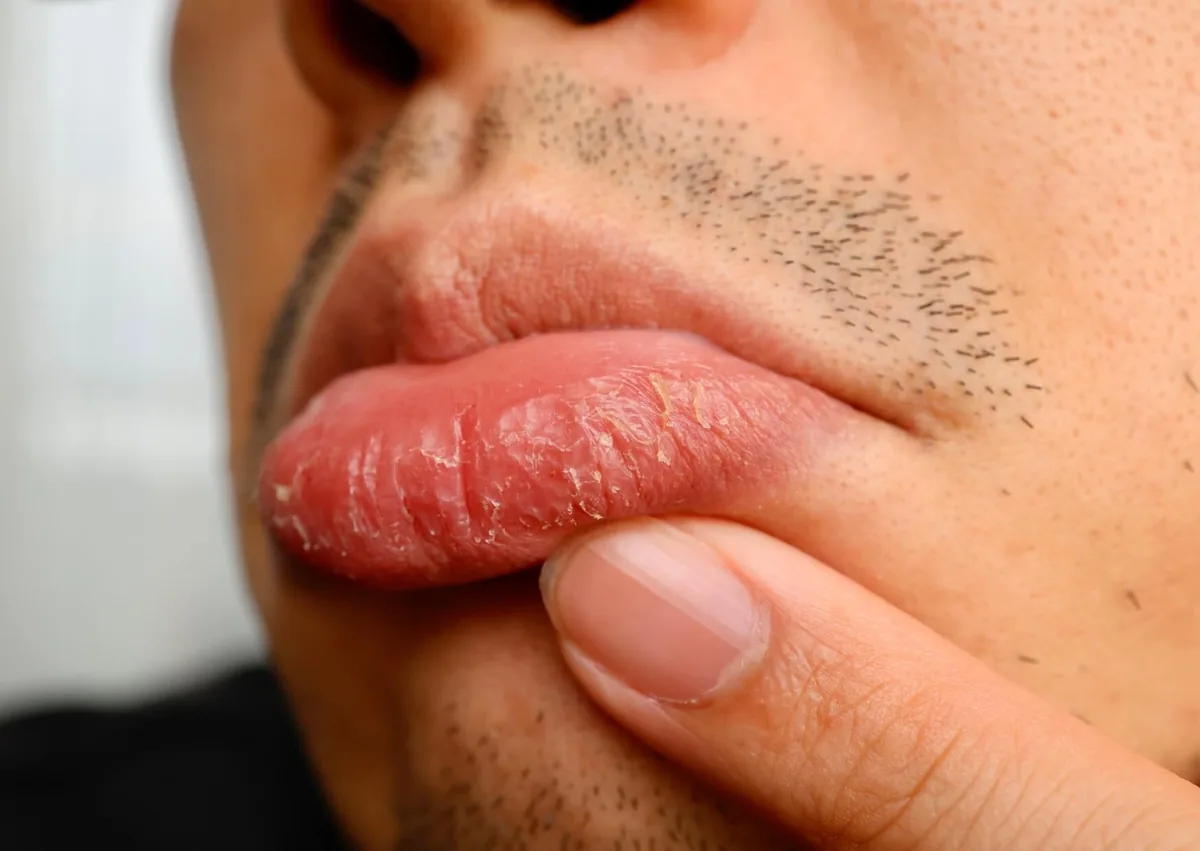
A dry mouth usually means your body is not making enough saliva to keep the mouth comfortable and protected. Common causes include dehydration, medication side effects, mouth breathing, tobacco or cannabis use, anxiety, and certain health conditions.
If your mouth feels dry often or the problem keeps coming back, it is worth getting evaluated because low saliva can increase the risk of cavities, gum problems, infections, and trouble eating or speaking.
If dry mouth is raising your risk of gum disease or recurrent infections, periodontal maintenance can help monitor the health of your gums and reduce future problems. CR Smiles in Katy, TX offers ongoing professional cleanings and personalized monitoring to protect your gums and comfort while addressing dry mouth concerns.
Drinking water helps if dehydration is the main issue, but it does not always fix low saliva production. Saliva comes from glands in and around the mouth, and those glands can be affected by medications, illness, radiation treatment, nerve changes, or autoimmune disease.
Some people also wake up with a very dry mouth because they breathe through the mouth at night. Nasal congestion, snoring, sleep apnea, or habit can all contribute, even when overall fluid intake is adequate.
Many prescription and over-the-counter medications can reduce saliva flow. Examples include some antihistamines, decongestants, antidepressants, blood pressure medicines, bladder medicines, muscle relaxants, and pain relievers. Do not stop or change a medication without speaking with the prescriber.
Other possible causes include:
Aging does not automatically cause dry mouth. However, older adults are more likely to take medications or have health conditions that affect saliva.
Dry mouth, also called xerostomia, can feel like more than simple thirst. Saliva helps protect teeth and also supports swallowing, speaking, tasting, digestion, and tissue comfort.
You may notice sticky or stringy saliva, cracked lips, bad breath, a burning tongue, altered taste, or frequent thirst. Some people also have trouble chewing dry foods or wearing dentures comfortably because saliva helps cushion the tissues and improve denture retention.
Low saliva can increase the risk of cavities near the gumline or on exposed roots. In severe cases, decay may progress to infection and require a non-surgical root canal to save the tooth. Recurrent mouth sores, irritated gums, and oral yeast infections can also happen.
Nighttime dry mouth is often linked to mouth breathing, nasal blockage, snoring, or the normal drop in saliva production during sleep. Alcohol, cannabis, tobacco, late-day caffeine, and certain evening medications can make the dryness worse.
If you also have loud snoring, gasping, morning headaches, or major daytime sleepiness, talk with a healthcare professional. Those symptoms can point to sleep-disordered breathing, including sleep apnea, which needs medical evaluation.
The best treatment depends on the cause and on whether your salivary glands are still able to produce saliva. These steps may help while you arrange an evaluation:
Some saliva substitutes help coat and moisten the mouth. Others, including selected prescription treatments, may help stimulate saliva when the glands still have function, but candidacy depends on your health history, medications, and the underlying cause.
For more daily care tips, review our home care instructions.
|
Option |
Main Purpose |
Important Consideration |
|---|---|---|
|
Water and humidification |
Add moisture and ease mild dryness |
Relief may be temporary |
|
Sugar-free gum or lozenges |
Stimulate working salivary glands |
May not help if gland function is severely reduced |
|
Saliva substitute |
Lubricate dry tissues |
Does not restore natural saliva production |
|
Prescription treatment |
Increase saliva in suitable patients |
Requires medical or dental review |
|
Fluoride treatment |
Reduce cavity risk |
Protects teeth but does not treat the cause |
A dentist will usually ask when the dryness started, whether it happens all day or mostly at night, and what medications or health conditions may be involved. The exam may include checking saliva flow, oral tissues, gum health, tooth decay, dentures, and signs of infection.
Depending on the findings, your evaluation may also include dental X-rays, coordination with your physician, or referral to a specialist. Blood tests, salivary gland imaging, or other studies are sometimes needed when diabetes, autoimmune disease, gland blockage, or another systemic cause is suspected.
The exam is usually comfortable and noninvasive. If a blocked or infected gland is suspected, the clinician may gently examine the gland area and the openings where saliva enters the mouth.
Because saliva helps neutralize acids and repair early enamel damage, chronic dry mouth often calls for stronger prevention. A dentist may recommend prescription fluoride toothpaste, in-office fluoride, dental sealants, and more frequent cleanings or exams such as periodontal maintenance, based on your cavity and gum risk.
Brush twice a day with fluoride toothpaste and clean between the teeth every day. Avoid sucking on candy for relief unless it is sugar-free, because frequent sugar exposure can speed up decay in a dry mouth.
Results depend on the cause. Dryness from dehydration or a short-term trigger may improve quickly, while dryness from medication use or permanent gland damage may need long-term symptom control and cavity prevention.

Schedule an evaluation if your dry mouth is persistent, worsening, unexplained, or making it hard to eat, sleep, or wear dentures. You should also be seen if you are getting frequent cavities, mouth sores, white patches, burning, or repeated gum irritation.
Contact a clinician promptly for painful swelling near the jaw or cheek, fever, pus, or a foul taste in the mouth. These can be signs of a salivary gland infection or blockage. For severe tooth pain, rapidly increasing swelling, or signs of spreading infection, seek emergency dentistry.
Seek urgent medical care for trouble breathing, inability to swallow liquids, rapidly increasing facial or neck swelling, confusion, fainting, or signs of severe dehydration. Sudden dry mouth with weakness, facial drooping, speech difficulty, or other neurologic symptoms also needs emergency care.
Dry mouth is common, but it should not be ignored when it lasts. A dental visit can help identify oral damage, narrow down likely causes, coordinate care when needed, and create a plan to improve comfort while protecting your teeth and gums.
If dry mouth is causing frequent cavities, painful swelling, or trouble wearing dentures, a focused periodontal maintenance plan and prompt dental care can help prevent further damage. Contact CR Smiles for periodontal maintenance in Katy, TX and nearby Cinco Ranch and Fulshear, call (281) 394-9600 to arrange a consultation.
Yes. Reduced saliva lets odor-causing bacteria and food debris stay in the mouth longer, which can lead to bad breath.
Yes, anxiety can temporarily reduce saliva flow and encourage mouth breathing. If the problem is frequent or constant, it should still be evaluated rather than assumed to be anxiety alone.
It can be. Dry mouth may happen with diabetes, especially when high blood sugar contributes to dehydration, but it is not specific to diabetes.
The feeling of dryness does not always match the amount of saliva present. Saliva may be thick, poorly distributed, or changed in composition, and irritated tissues or mouth breathing can also create a dry sensation.
Make an appointment if dry mouth lasts more than a short time, keeps returning, or causes discomfort, swallowing trouble, sores, or dental problems. Earlier evaluation is a good idea after a medication change, cancer treatment, or the appearance of gland swelling or infection symptoms.