

After dental implant surgery, some dentists ask patients to avoid dairy for a short time, but dairy itself usually does not harm the implant or stop it from healing into the jawbone. The restriction is more often related to nausea after sedation, medication timing, or the texture and sugar content of certain dairy foods, so follow your dentist’s home instructions for your specific recovery.
If you are wondering whether food choices could affect healing after dental implants, clear aftercare guidance can make recovery feel much more manageable. CR Smiles in Katy, TX helps patients understand implant treatment and personalized post-op steps so they know what to eat, what to avoid, and how to heal with confidence.
Not every patient is told to avoid dairy after implant placement. In many cases, soft dairy foods such as plain yogurt or cottage cheese can be acceptable if they fit the dentist’s instructions.
A short dairy restriction is often suggested because the stomach can be sensitive after sedation or anesthesia. Rich foods like ice cream, milkshakes, or whole milk may worsen nausea during the first part of recovery.
Medication directions can also matter. Some antibiotics can interact with calcium, although many medications used in dentistry do not, so the prescription label and pharmacist’s guidance should take priority over general online advice.
Sometimes the issue is not the dairy itself but the form it comes in. Yogurt with seeds or fruit pieces, sugary milkshakes, and very cold foods may irritate the surgical area or make cleaning the mouth harder.
Choose foods that are soft, gentle on the surgical site, and easy to eat without chewing near the implant. Good options may include:
Avoid foods that are hard, crunchy, sticky, spicy, or very hot until your dentist says they are safe. Chips, popcorn, nuts, seeds, crusty bread, and chewy meats can irritate the area or get trapped near the incision.
Do not use a straw unless your dental team specifically says it is okay. Suction can disturb the blood clot and irritate healing tissue, especially if you also had an extraction or bone graft.
Drink plenty of water, and avoid alcohol, smoking, and vaping during healing. Patients with diabetes, food allergies, swallowing concerns, or dietary restrictions may need more individualized guidance.
A dental implant is a small post, usually made of titanium, that is placed in the jaw to support a replacement tooth. Over time, the bone bonds to the implant through a process called osseointegration, which is a key part of long-term stability. Learn more about dental implants.
Mild swelling, tenderness, bruising, and light blood-tinged saliva are common after surgery and should gradually improve. Whether you avoid dairy for a day or two is usually not what determines success.
Implant healing depends more on stable placement, healthy bone and gums, good nutrition, careful cleaning, and avoiding tobacco. Practice good oral hygiene exactly as directed so you do not disturb the area.
Dairy does not usually cause an implant infection. Infection risk is more closely tied to plaque buildup, wound contamination, smoking, certain medical conditions, and delayed healing, though food debris left near the site can still irritate the tissue.
For more on prevention, see our infection control page.
Take all prescribed medications exactly as directed by your dentist and pharmacist. Do not stop an antibiotic or change how you take it based only on general advice online.
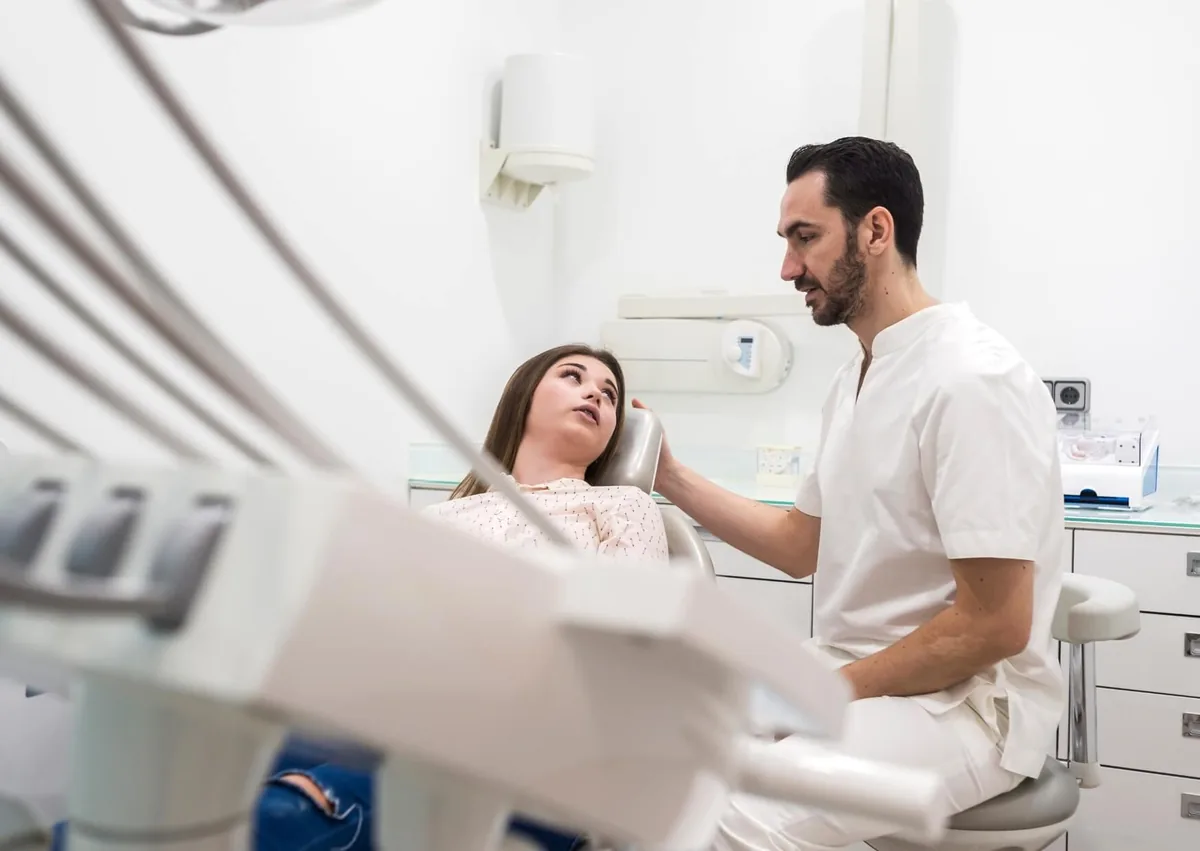
Call the dental office if your diet instructions are unclear, especially if they seem to conflict with your medication label. Your dentist or pharmacist can tell you whether the restriction applies to all dairy, only rich dairy foods, or dairy taken close to a specific medication.
Seek prompt care if pain or swelling gets worse after first improving, bleeding continues, pus appears, fever develops, or you notice a bad taste with increasing discomfort. New implant movement should also be evaluated right away.
Trouble breathing or swallowing, rapidly spreading swelling in the face or neck, or signs of a serious allergic reaction require emergency dentistry. Recovery instructions may also differ if your procedure included bone grafting, tooth extraction, or sedation.
A quick conversation with your treating dental team can prevent confusion and make eating more comfortable during recovery. Personalized guidance is especially helpful when several procedures were done at the same visit.
If you are still unsure what is safe to eat or how to protect healing after dental implants, a personalized recovery review can help you avoid setbacks and feel more confident. CR Smiles provides dental implant care in Katy, TX and for patients from nearby Fulshear and Houston, so call (281) 394-9600 to discuss your recovery or schedule a consultation.
There is no universal timeline. Some patients are not told to avoid dairy at all, while others are asked to avoid it briefly because of nausea, sedation, or medication instructions.
Smooth yogurt may be a good option because it is soft and contains protein. Avoid versions with seeds, granola, nuts, or fruit pieces, and confirm that dairy is allowed in your post-op plan.
A milkshake may be too rich if your stomach feels unsettled after anesthesia, and the sugar can make oral hygiene more difficult. If your dentist allows it, use a spoon instead of a straw.
No, dairy does not usually cause implant infections. Infection is more often related to plaque, contamination, smoking, certain health conditions, or poor healing around the surgical site.