
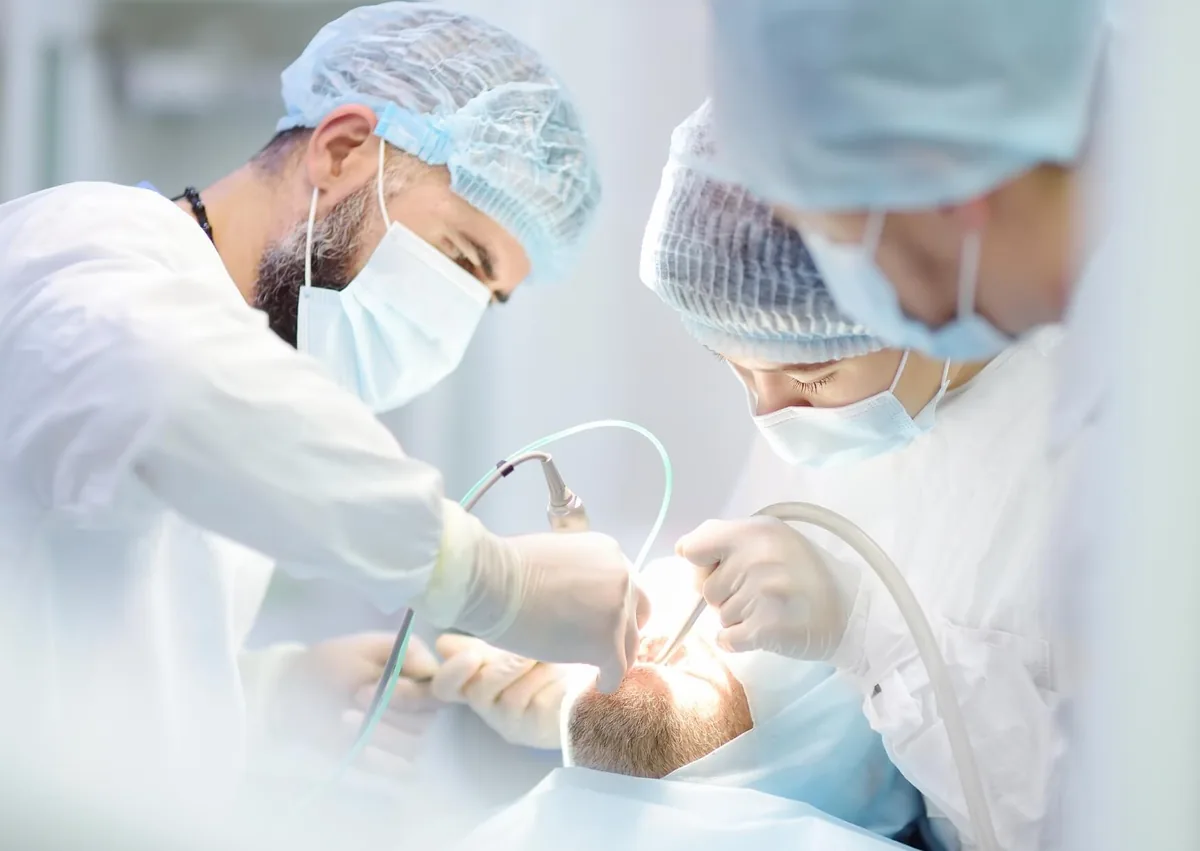
Pain, swelling, or looseness around a dental implant can be unsettling, but these symptoms do not always mean the implant needs to be removed. Dental implant failure occurs when the implant does not bond securely with the jawbone or loses that support later.
A dental exam can distinguish a repairable crown or connector problem from an implant that needs treatment or removal.
If your implant is loose or painful, urgent dental care can help identify what needs attention. At CR Smiles in Katy, TX, an evaluation can clarify whether the problem involves the crown, surrounding tissues, or implant support.
Key Takeaway: Your treatment may range from repairing a loose crown to treating inflammation or replacing an implant that has lost bone support. If you notice looseness, persistent pain, swelling, or drainage, arrange a dental evaluation to find out which part needs attention.
Table of Contents
An implant-supported tooth includes the implant post in the jawbone, a connector called an abutment, and the visible replacement tooth, or crown. A loose crown or connector can sometimes be repaired without removing the implant. Movement of the implant post itself is more concerning because it can indicate loss of its attachment to bone.
Contact your dentist if you notice:
Some tenderness and swelling can occur after implant surgery, but symptoms should follow the recovery pattern your surgeon described. Increasing pain or swelling, especially after initial improvement, needs evaluation. Bone loss around an implant can also develop without noticeable pain.
Seek urgent dental care for pus, fever, rapidly worsening pain, or increasing facial swelling. Go to an emergency department for difficulty breathing or swallowing, or swelling spreading toward the eye or neck.
Watch Out: Looseness can involve either the crown or connector above the gum or the implant post within the bone. Do not repeatedly wiggle it to find the source; avoid chewing on that side and let your dentist check it.
An implant must form a stable connection with the surrounding bone, a process called osseointegration. Early failure occurs when that connection does not develop adequately. Infection, insufficient initial stability, impaired healing, or excessive force during healing may contribute.
Problems can also develop after an implant has functioned for years. One possible cause is peri-implantitis, an inflammatory condition around an implant that involves loss of supporting bone. Gum inflammation alone does not necessarily mean the implant has failed, but it still needs attention.
Smoking, a history of gum disease, poorly controlled diabetes, and difficulty keeping the implant clean are among the risk factors associated with implant complications. Teeth grinding, bite forces, and problems with the restoration may also contribute. A failed implant does not necessarily mean you did something wrong.
Your dentist will ask when your symptoms began, whether they are changing, and whether the implant or crown was recently placed or repaired. The exam may include checking the gums, bite, crown, connector, and implant stability. X-rays help assess the supporting bone.
Comparing current and earlier X-rays can help show whether bone levels have changed. Additional imaging or evaluation by a periodontist or oral surgeon may be appropriate if the extent of bone loss or the implant's position needs closer assessment.
Pro Tip: Bring three items if available: your implant identification information, previous dental X-rays, and an updated medication and medical history list. If another office placed the implant, ask that office to send the surgical and restoration records before your visit.
Treatment depends on which part is loose or damaged, how much bone support remains, and whether inflammation can be controlled. Repairing a crown is different from treating disease around a stable implant or removing an implant that has lost its attachment to bone.
|
Finding |
Possible Treatment |
Main Consideration |
|---|---|---|
|
Loose or damaged crown or connector |
Repair, adjustment, or replacement of the affected component |
The implant post's stability must still be checked |
|
Inflammation limited to the surrounding gum |
Professional cleaning and changes that make home care easier |
Treatment aims to control inflammation and reduce the risk of progression |
|
Peri-implantitis with bone loss |
Nonsurgical treatment, sometimes followed by surgery |
Results depend on the extent and pattern of bone loss, implant characteristics, and ongoing cleaning |
|
Mobile implant post or an implant that cannot be maintained |
Removal, followed by reassessment of tooth replacement options |
Additional healing or bone grafting may be needed |
If the implant post is stable, treatment may focus on controlling inflammation, cleaning affected surfaces, and correcting factors that make the area difficult to maintain. A loose or damaged restoration may also need repair or replacement.
Some cases require surgery to access the implant surface or address damaged bone and gum tissue.
Treatment aims to control disease and preserve useful support, but lost bone cannot always be rebuilt predictably. Follow-up exams and ongoing maintenance remain important even when symptoms improve.
An implant that moves within the bone generally cannot provide reliable support for a replacement tooth. Removal may also be recommended when infection, bone loss, position, or damage makes the implant unsuitable to keep.
A replacement implant may be possible after the cause of failure is addressed. Candidacy for dental implant treatment depends on available bone, gum health, medical factors, and bite forces. Some sites need grafting and healing first, and a replacement implant is not guaranteed to succeed.
A fixed bridge or removable partial denture may be an alternative if another implant is not appropriate or does not fit your preferences. A conventional bridge usually relies on adjacent teeth for support and may require reshaping them. A removable partial denture comes out for cleaning and may feel different from a fixed replacement.
Repairing a crown or connector may involve less treatment than surgery to manage bone loss or remove an implant. Surgical care generally uses local anesthesia to numb the area. Your clinician can explain what you may feel during treatment and discuss additional comfort options when appropriate.
Recovery and the time to a final replacement tooth depend on the procedure, infection control, bone condition, and whether grafting is needed. Learning how long implants take can provide context if you are considering replacement. Ask whether a temporary tooth is possible and what restrictions would protect the healing site.
Until you are evaluated, avoid hard chewing on the affected side and continue gentle cleaning as tolerated. Do not try to tighten, glue, or remove any part of the implant yourself. If surgery is needed, follow your clinician's instructions and review what to eat after surgery.
Expected results should be discussed in terms of comfort, stability, appearance, and long-term maintenance. Treatment may control inflammation or restore function, but the outcome depends on the condition of the implant and surrounding tissues. If removal is necessary, your dentist can help plan a replacement that accounts for your health and priorities.
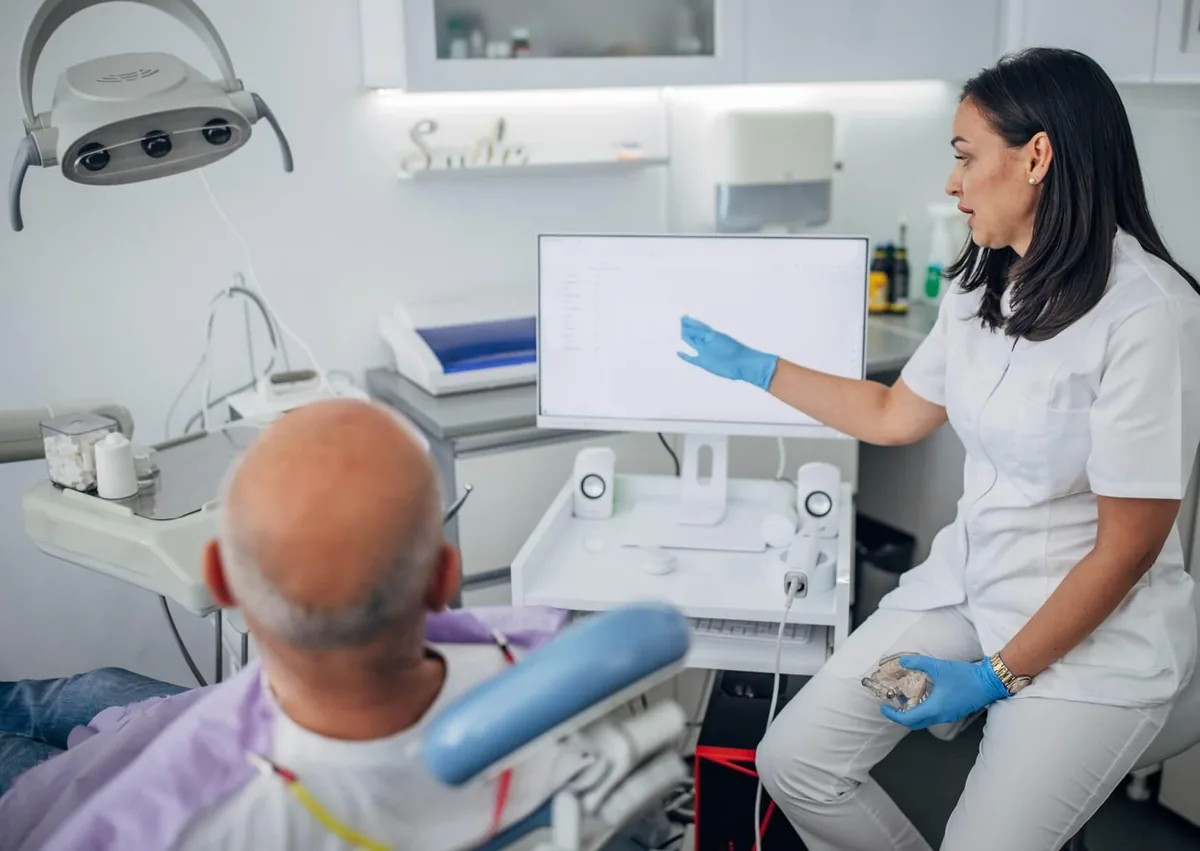
Costs depend on whether you need a component repair, treatment for inflammation or bone loss, implant removal, grafting, or a new tooth replacement. Ask for a written estimate that separates diagnostic care, treatment stages, any temporary tooth, and the final restoration.
Dental coverage varies by plan, and benefits for repair, removal, grafting, and replacement may differ. Ask the dental office and insurer to check exclusions, replacement restrictions, annual limits, and any pre-treatment estimate requirements. A benefits estimate is not a guarantee of payment.
Before deciding, ask your clinician:
A consultation can clarify the cause of your symptoms and which decisions need attention first. Share your concerns about comfort, cost, appearance, and time without a tooth so the plan reflects what matters to you.
An evaluation can help you understand what is causing your implant symptoms and what treatment may be needed. For urgent dental care at CR Smiles in Katy, TX, near Cinco Ranch and Fulshear, call (281) 394-9600.
Some implant problems can be treated while keeping the implant, especially when the post remains stable. An implant that has lost its attachment to bone and is mobile generally requires removal. An exam is needed to distinguish that problem from a loose crown or connector.
Yes, inflammation and bone loss around an implant may develop without significant pain. Regular dental exams and imaging when indicated help detect changes you may not notice at home.
Possibly, once the cause has been assessed and the site is suitable for treatment. Your clinician will evaluate bone support, gum health, medical risks, and alternatives before recommending another implant.
No. Contact your dentist promptly, avoid chewing on that side, and do not test the movement repeatedly. Even a painless loose component can become damaged or signal a more serious problem.