
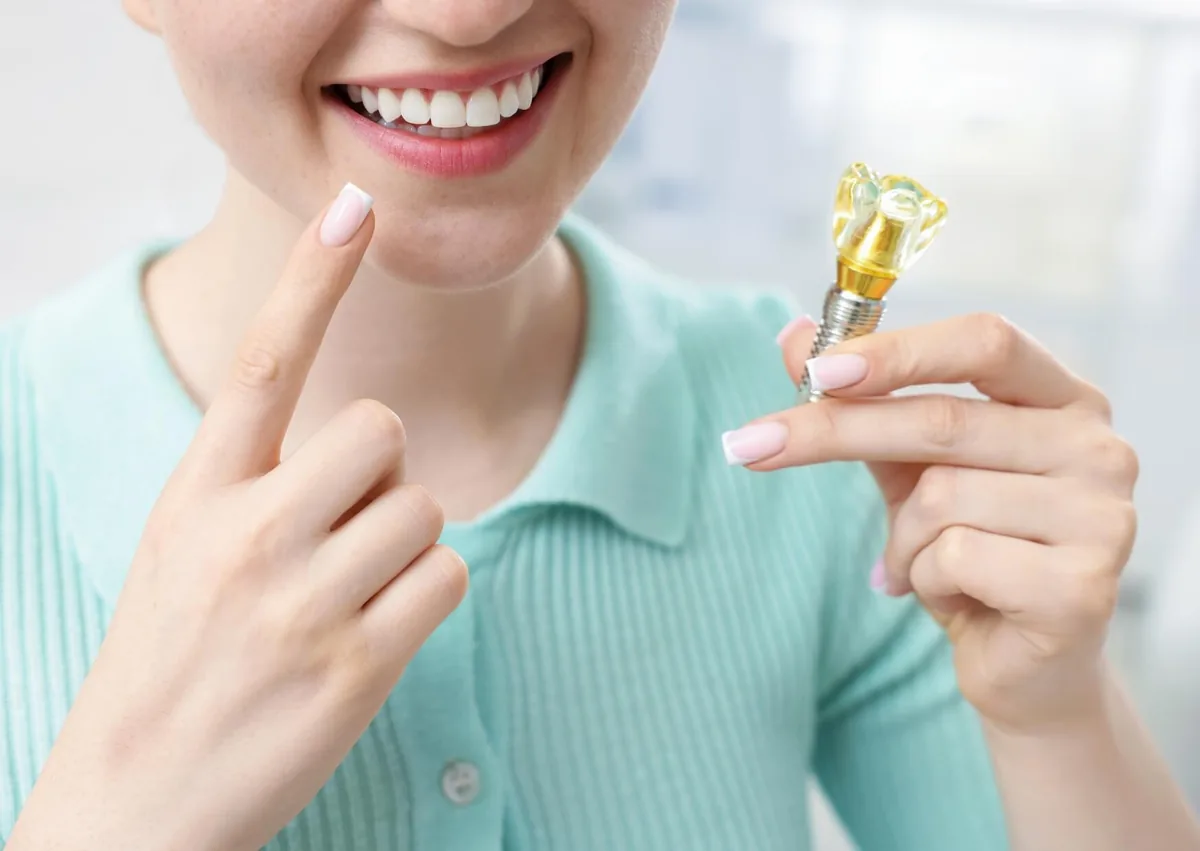
If you are wondering when soreness will ease and you can chew normally again, dental implant recovery involves two different milestones: your gums healing after surgery and your jawbone attaching to the implant. Tenderness, swelling, and light bleeding can occur after placement, but they should gradually improve. Feeling comfortable does not necessarily mean the implant is ready for normal chewing.
Your recovery plan depends on the number of implants, whether you need tooth removal or bone grafting, and your health. Your dental team should explain how to protect the area, when to resume activities, and which symptoms require a call.
If you are considering dental implant treatment, understanding the healing process can help you prepare for recovery. At CR Smiles in Katy, TX, you can discuss your treatment and get guidance on protecting your implant as it heals.
Key Takeaway: Your gums may feel better before the implant has fully joined with your jawbone, so keep following your dentist’s eating and activity restrictions as discomfort eases. Before surgery, ask for a written recovery plan covering your procedure, follow-up visits, and warning signs.
Table of Contents
A dental implant is a post placed in the jawbone to support a replacement tooth or other restoration. During healing, the surrounding bone attaches to the implant through a process called osseointegration, providing support for the restoration.
Recovery happens in stages rather than on a single deadline. Your treating dentist or surgeon checks your progress, using imaging when needed, before deciding when you can move to the next stage.
|
Healing Stage |
What Is Happening |
What It Means For You |
|---|---|---|
|
Early surgical healing |
The incision and surrounding tissues begin recovering |
Protect the area and follow instructions for food, cleaning, and activity |
|
Bone healing |
Bone attaches to the implant surface |
Avoid chewing forces your dentist has restricted, even if you feel comfortable |
|
Restorative treatment |
The team checks readiness for the replacement tooth |
Additional visits or a minor procedure may be needed before the final restoration |
|
Ongoing maintenance |
The implant and surrounding tissues need continued care |
Keep professional checkups and clean around the restoration daily |
An implant may heal beneath the gum or have a small healing cap visible above it. Neither appearance alone tells you whether it is ready to support a final tooth.
Implant placement may be performed alone or combined with an extraction or bone graft. Combining procedures can reduce separate surgical visits in some cases, but it may also make aftercare more involved.
Some patients qualify for a temporary tooth attached near the time of surgery, while others need the implant to heal without that load. An immediate temporary tooth does not mean you can chew normally; it may come with specific food and bite restrictions.
Candidacy depends on bone support, gum health, bite forces, and medical factors. A bridge or removable denture may be an alternative if you want to avoid implant surgery or an implant is not appropriate. These options have different maintenance needs and effects on nearby teeth and tissues.
Tell your team about diabetes, smoking or vaping, teeth grinding, and all medications and supplements. These details can affect planning and healing. Do not stop prescribed medication without guidance from the clinician managing it.
Before surgery, give your dental team an up-to-date medical history and medication list, along with relevant dental records or imaging from other offices. Ask whether grafting, sedation, or temporary teeth will change your aftercare.
Prepare for recovery by taking these steps:
Pro Tip: Ask these 3 questions at your preoperative visit: “What can I eat?”, “How should I clean the area?”, and “Who should I contact if symptoms worsen?” Keep the answers with your written instructions so they are easy to find after surgery.
During placement, local anesthesia numbs the treatment area. Sedation may also be available depending on your needs and the treatment setting. Afterward, tenderness, swelling, bruising, and mild blood-tinged saliva can occur, with the amount varying by procedure.
Use pain relief only as directed by your treating clinician, and ask whether it is safe with your medical conditions and other medications. Follow your team’s instructions about cold packs, rest, rinsing, and brushing because grafts and incision designs can require different care.
Choose foods that do not strain the surgical area, and avoid chewing directly on the implant until cleared. Hard, crunchy, or sticky foods can put unwanted pressure on the site or temporary restoration. Follow your clinician’s specific dietary restrictions rather than assuming that every food category, such as dairy, must be avoided.
Keep the rest of your mouth clean while treating the surgical area as instructed. Avoid smoking and vaping during healing, and ask for cessation support if needed because these habits can compromise healing and implant health.
Contact your dental team promptly for pain or swelling that worsens rather than improves, especially after initial improvement. Fever, pus, a persistent foul taste, or new or persistent numbness also warrant a call. A loose implant component, a shifting temporary tooth, or a bite that suddenly feels different needs assessment rather than home adjustment.
Watch Out: Do not wait for a routine follow-up if you notice either of these 2 problems: bleeding that does not settle with the pressure your team instructed, or swelling that is rapidly increasing. Seek emergency care immediately for trouble breathing or swallowing, or heavy uncontrolled bleeding.
Symptoms that are severe, persistent, or unclear deserve a call even if they are not on this list. An examination can distinguish expected healing from a problem that needs treatment. Your team can advise whether you need urgent dental care.
Follow-up visits let your team check the incision, manage sutures when necessary, and assess implant healing. The final restoration is placed when the implant and surrounding tissues are ready, not simply when soreness has stopped. Your team will also check how the restoration fits and explain ongoing home care.
Ask for an itemized treatment estimate covering surgery, grafting if needed, temporary teeth, the final restoration, and follow-up care. Confirm which services are included and how unplanned visits or treatment for complications would be billed.
Dental insurance benefits vary, and surgical and restorative services may be handled differently under your plan. The office and insurer can help verify benefits and estimated out-of-pocket costs, but an estimate or predetermination is not a guarantee of payment.

Bring questions about your work, health, diet, and budget to your consultation. Understanding these practical needs helps you discuss a recovery plan you can follow and the steps toward your replacement tooth.
A consultation can help you understand your implant recovery plan and prepare for follow-up care. For dental implant treatment at CR Smiles in Katy, TX, near Cinco Ranch and Fulshear, call (281) 394-9600 to discuss your needs.
Gum healing and bone attachment happen on different schedules, and grafting or other procedures can extend the overall treatment. Your treating dentist or surgeon can give you an individualized estimate and explain which milestones determine when the final tooth can be placed. Ask separately about returning to daily activities and when you can resume normal chewing.
That depends on your procedure, symptoms, sedation, and whether your job involves physical exertion. Ask your team about work and driving restrictions before surgery so you can arrange time away or lighter duties if needed.
No. An implant can feel comfortable while bone attachment is still developing. Continue food restrictions and follow-up visits until your dentist clears you.
Sometimes, but the denture may need adjustment to avoid pressure on the surgical site. Have your dentist check its fit before wearing it over a healing implant or graft.