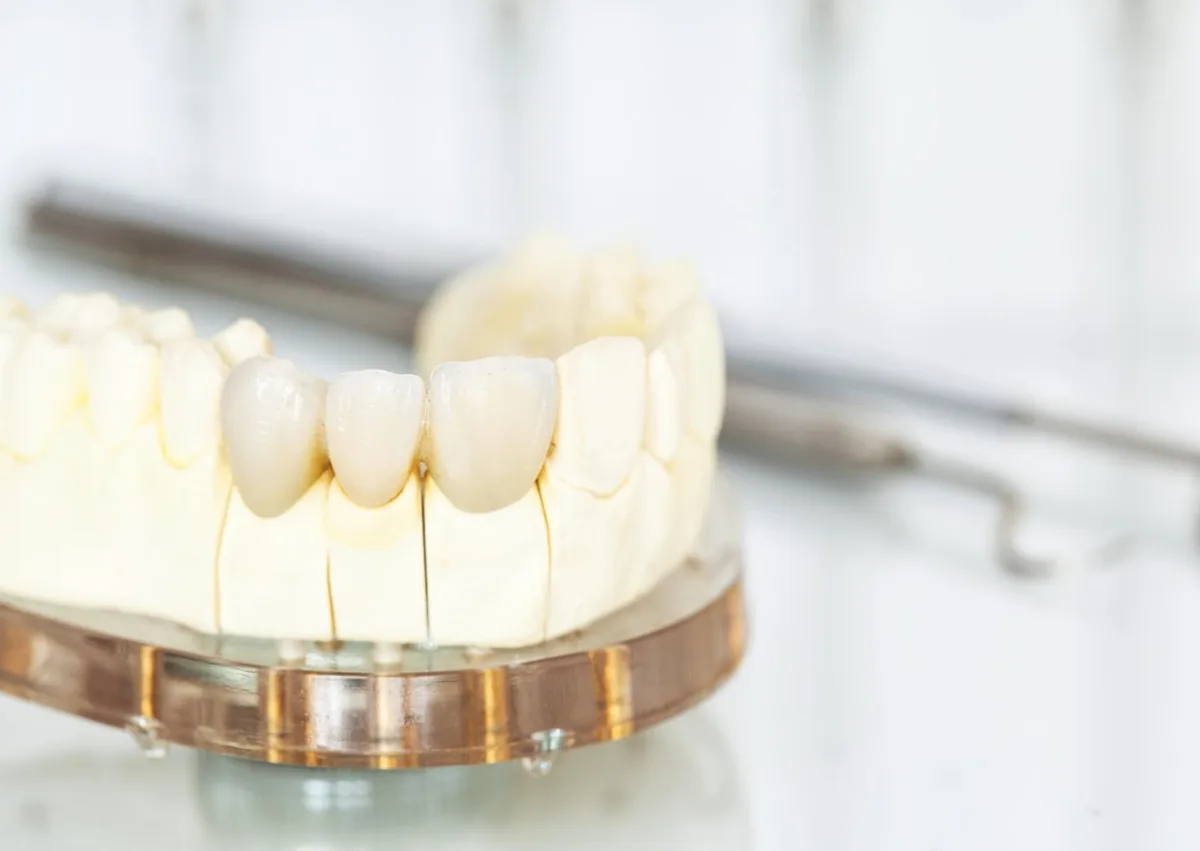
If your temporary crown fell off on a weekend or after hours, save it, avoid chewing on the exposed tooth, and contact the dentist who placed it for instructions. Crown loss alone is not usually a hospital emergency, but severe pain, swelling, injury, or trouble breathing or swallowing changes the urgency.
An uncovered tooth can feel sensitive or unfamiliar, especially when your dental office is closed. Protect the area and get guidance about when you need an examination rather than trying to attach the crown yourself.
If your temporary crown falls off and you have severe pain or swelling, urgent dental care may be appropriate. At CR Smiles in Katy, TX, an assessment can help clarify what the tooth needs and what to do next.
Key Takeaway: A lost temporary crown needs prompt dental guidance, but your symptoms help determine whether you need urgent care or can wait for a scheduled visit. Protect your tooth, save the crown, and check your treating dentist's after-hours instructions.
Table of Contents
Start with the office that placed the temporary crown, even if you expect it to be closed. Its voicemail, patient portal, or official website may provide an after-hours number or instructions for urgent dental concerns. A portal message alone may not be monitored promptly.
If you cannot reach your dentist, another urgent dental provider may be able to assess the tooth. Ask whether the provider handles lost temporary crowns and can share visit information with your treating office.
Watch Out: Avoid 2 risky shortcuts: household glue and forcing the crown back onto the tooth. Keep it in a container and get professional guidance instead of trying to secure it yourself.
Mild sensitivity after losing a temporary crown is different from severe pain or swelling. Even if the tooth feels comfortable, contact your dentist promptly: the prepared tooth is no longer protected, and changes in the surrounding tissues or tooth position may affect the final crown's fit.
Seek emergency medical care for:
Request urgent dental assessment for severe, persistent, or worsening pain; localized swelling; fever with dental symptoms; a broken tooth; or a bite that prevents you from closing comfortably.
If symptoms worsen while you wait for a callback, seek another urgent dental option rather than relying on the original message. Use emergency medical care if the warning signs above develop.
If you think you swallowed the crown, contact a medical professional for guidance and let your dentist know. Abdominal pain, vomiting, or difficulty swallowing warrants prompt medical assessment.
Useful details help the team judge urgency and prepare for your visit. Start by explaining whether the entire temporary crown came off or part of it remains attached.
Have this information ready:
A photo may help if the team requests one, but it cannot replace an examination. Mention medical conditions or medications that may affect dental treatment.
Pro Tip: Ask 3 practical questions: “How soon should I be seen?”, “What should I avoid until then?”, and “Will this affect my permanent crown appointment?”
A temporary crown protects a prepared tooth while the definitive, or permanent, crown is being made or treatment is being completed. It is generally attached with cement that allows a dentist to remove it later. Coming loose does not necessarily mean the tooth has broken.
A permanent crown is intended for longer-term use, and losing one may raise different concerns about the cement, the tooth underneath, or decay. If you are unsure which type you lost, tell the dental team rather than assuming it can simply be put back.
The absence of pain does not prove that the tooth is undamaged. A tooth that has had root canal treatment, for example, may not respond to temperature even when it needs protection.
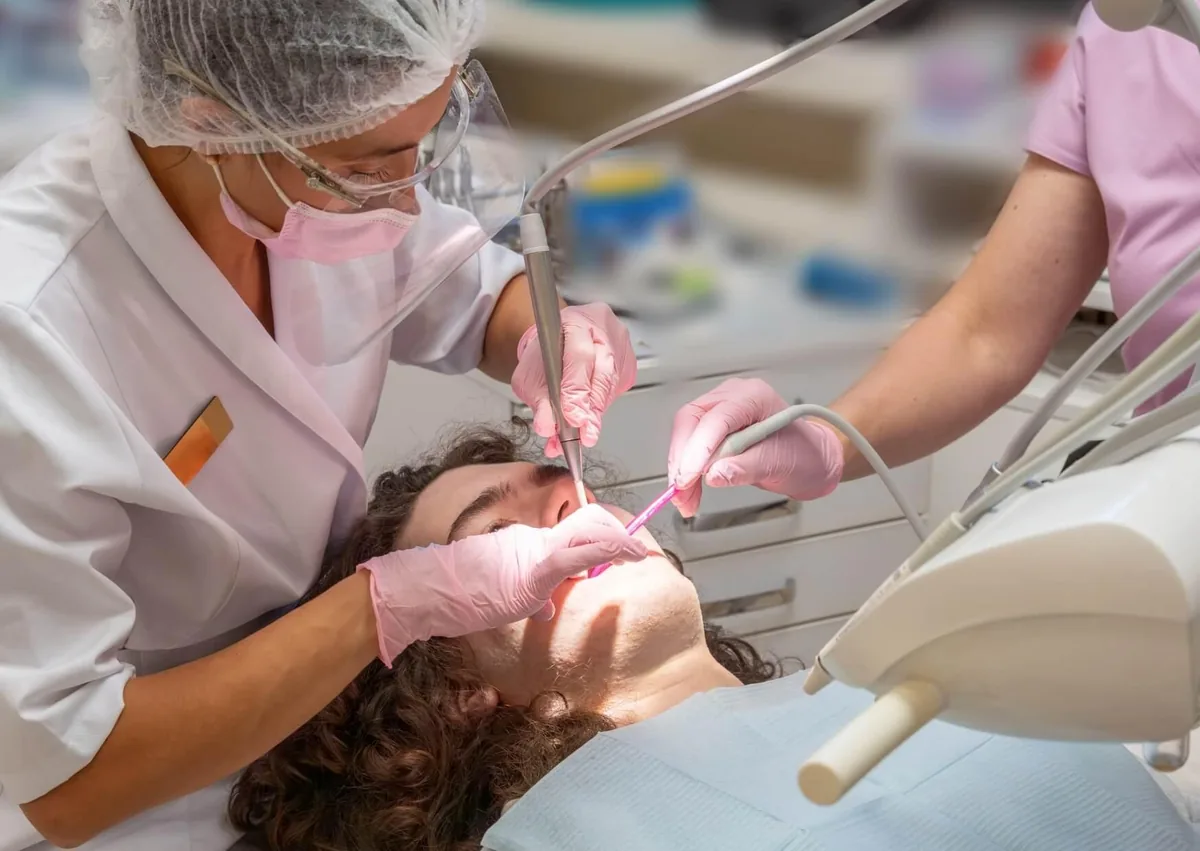
The dentist will examine the tooth, surrounding gum, bite, and recovered crown. X-rays may be needed if symptoms or examination findings suggest decay, fracture, or another problem that is not visible.
The appropriate option depends on the examination, not just whether the temporary crown looks intact.
|
Option |
When It May Be Appropriate |
Main Consideration |
|---|---|---|
|
Reattach the existing temporary crown |
The crown is intact and still fits correctly |
The dentist must check its fit and bite before securing it |
|
Make a replacement temporary crown |
The original is missing, broken, or no longer fits |
A replacement may involve extra time or cost |
|
Place the permanent crown |
It is available and the tooth, gums, and fit are suitable |
Availability alone does not mean the tooth is ready |
|
Address an underlying problem first |
The tooth has damage, decay, or concerning symptoms |
The treatment plan or final crown timing may change |
The team can discuss local anesthesia or other comfort measures if the tooth is sensitive or needs additional treatment. Restoring coverage may reduce sensitivity, but persistent or worsening discomfort needs reassessment.
Before leaving, ask what sensations to expect and when to call about your bite. A crown that feels too high or makes biting painful should be checked rather than left for you to adjust to.
Ask whether reattaching or replacing the temporary crown is included in your original treatment fee. Separate urgent visits, examinations, imaging, or replacement work may involve charges, depending on the office's policies and the care needed.
If you see another provider, ask for an estimate before treatment when circumstances allow. Insurance benefits vary, so have the office or insurer verify coverage rather than assuming an after-hours visit or replacement crown is covered.
Bring the saved crown and your treating dentist's contact information. Keep the original office informed about care you receive elsewhere, and do not cancel your permanent crown appointment unless the dental team advises a change.
You do not have to decide on treatment yourself. A dental assessment can clarify what has changed, whether the temporary crown can be reused, and what follow-up is appropriate.
If you cannot reach your treating dentist and need prompt assessment, another dental provider may be able to help. For urgent dental care at CR Smiles in Katy, TX, serving Cinco Ranch and Fulshear, call (281) 394-9600.
Possibly, but the dental team should guide that decision based on your symptoms and treatment. Check the office's after-hours instructions, and seek urgent dental help for severe pain, localized swelling, fever with dental symptoms, or worsening symptoms. Trouble breathing or swallowing and rapidly spreading swelling require emergency medical care.
Choose soft foods and chew away from the exposed tooth until you receive dental guidance. Avoid hard or sticky foods and anything that causes sensitivity.
Contact your dentist even if you cannot find it. A replacement may be needed, and searching for the original should not delay needed care.
Not necessarily, but leaving the tooth uncovered can allow changes that affect fit. Your dentist will check the tooth and surrounding tissues before deciding whether the permanent crown can be placed.